
Vascular and Rosacea

At a glance


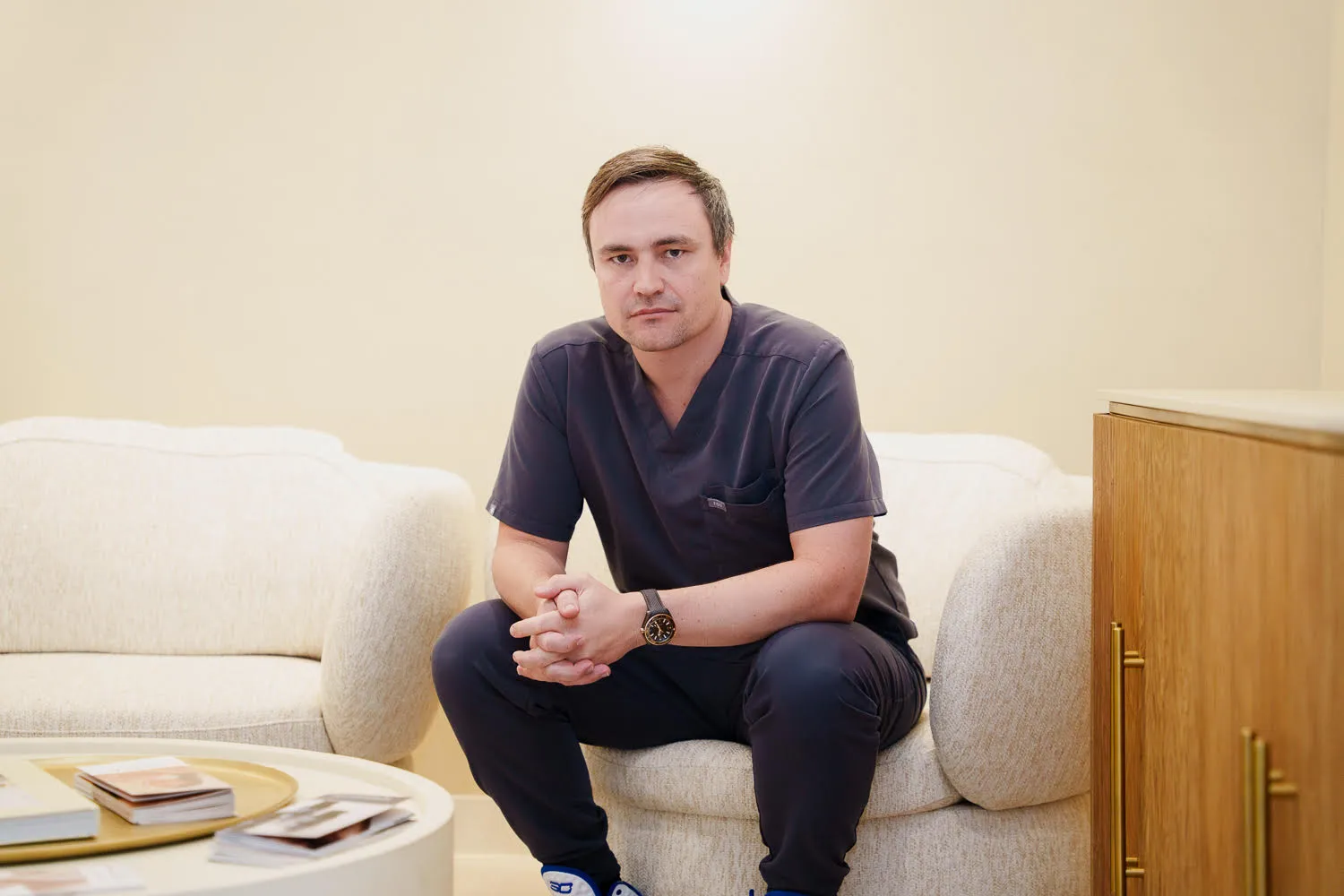
Dr Mitch’s Take
When it comes to vascular lesions on the face — whether that’s rosacea, port-wine stains, or general facial redness — the first step is always an accurate diagnosis. These are structural vascular issues, so topical products and medications usually play a limited role. Patients often present seeking vascular laser treatment after finding that creams alone haven’t addressed persistent redness or visible vessels.In my practice, we’ve moved away from traditional pulsed dye lasers and instead use the DermaV laser.
While pulsed dye lasers can be effective, they often cause more bruising and downtime. With DermaV, we can take a more controlled approach, starting conservatively and adjusting settings over time rather than trying to resolve everything in a single session.
It’s also important to recognise that facial redness can sometimes be a marker of an underlying medical condition. As dermatologists, we’re trained to assess for this, so treatment isn’t just about appearance — it’s about understanding what’s driving the redness in the first place. Ultimately, the goal is to apply the right technology in a precise and considered way for each individual.
Understanding Vascular Lesions
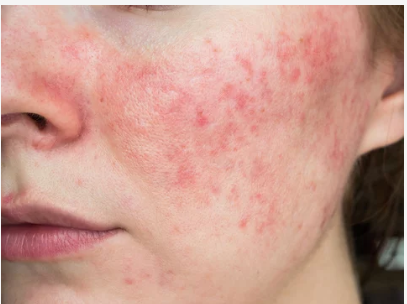
Erythematotelangiectatic rosacea
Persistent background redness with visible blood vessels, most often affecting the central face, cheeks, and nose. Many patients seek rosacea laser treatment when redness becomes difficult to control.
Port-wine stains
Reddish or purplish patches present from birth, which may darken or thicken over time.
Generalised flushing
Episodic facial redness that may be triggered by heat, exercise, alcohol, or emotional stress.
Congenital vascular malformations
Abnormally formed blood vessels present from birth, which can vary significantly in depth and behaviour.
Before & afters
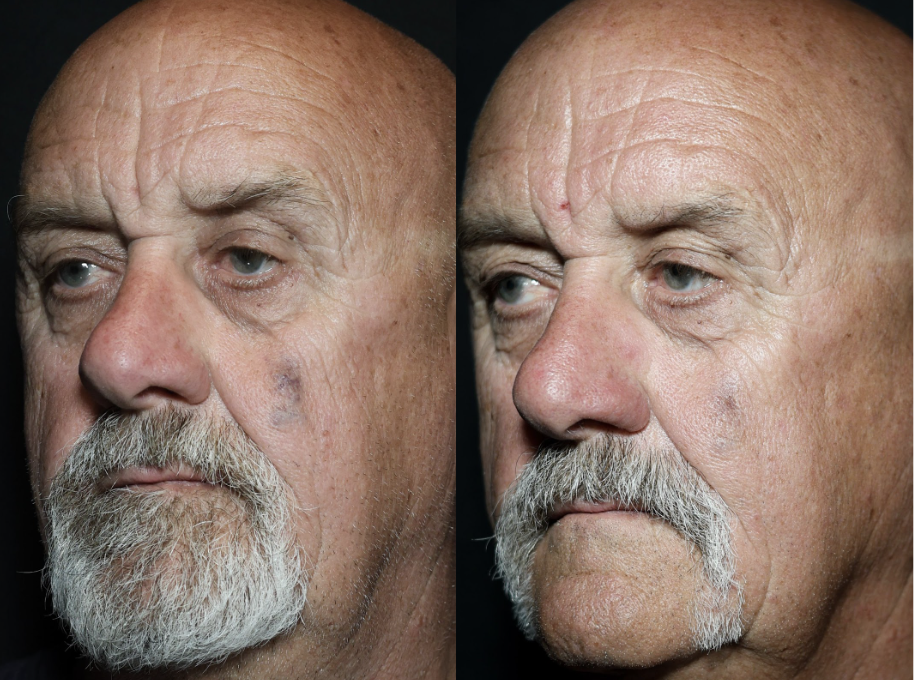
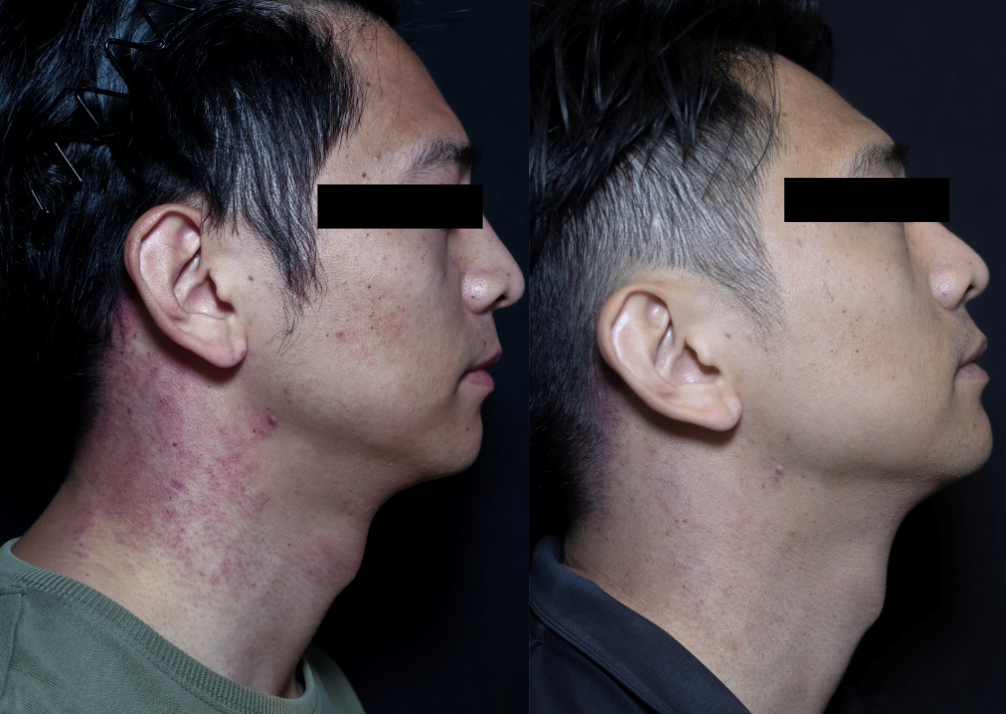
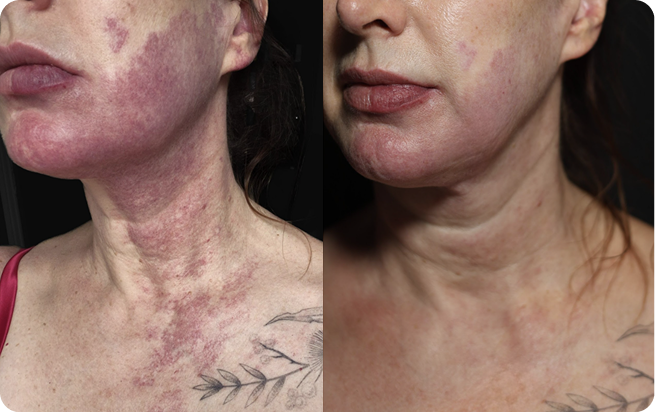
Medical disclaimer
Before-and-after images are for general information only. Results vary between individuals and are not guaranteed. Images show outcomes for one patient only and may not reflect typical results. Any procedure or treatment should be considered only after a clinical assessment by a qualified health practitioner.
What the journey looks like at DERM Skin Specialists
Expert Dermatology Assessment
A comprehensive clinical evaluation is carried out to confirm the diagnosis and determine whether vascular laser treatment is appropriate for your skin.
Personalised Treatment & Coordination
You'll have a dedicated patient coordinator throughout your treatment journey, with a structured vascular laser plan tailored to the type, depth, and distribution of vessels.
Ongoing Review & Aftercare Support
Your response is reviewed after each session, with laser settings adjusted as needed. Most patients require between two and four sessions. You’ll also receive clear aftercare guidance, including sun and heat protection, to support optimal skin stability.
How Vascular Lesions Are Managed at DERM Skin Specialists
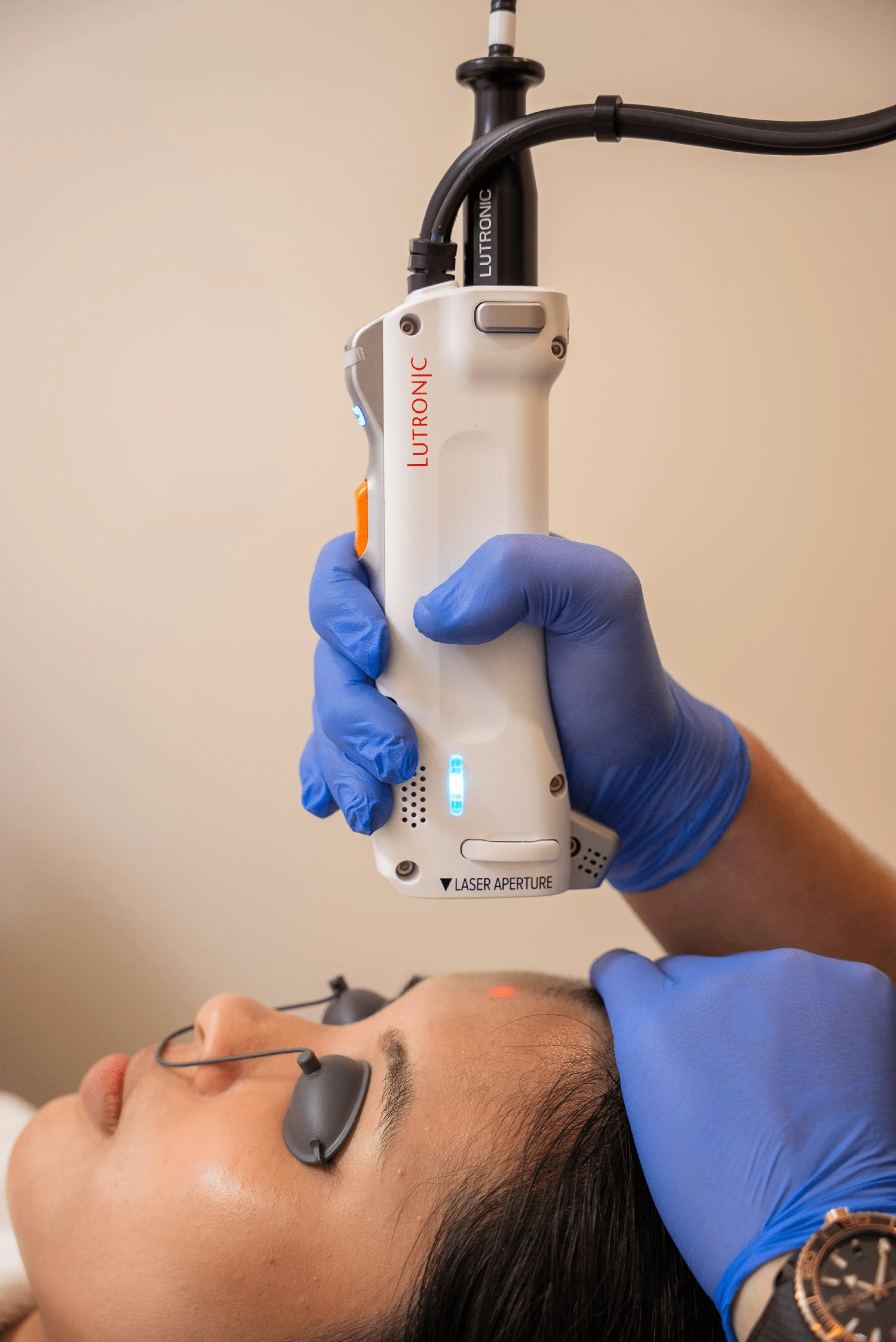
At DERM Skin Specialists, vascular lesions are managed using a structured, dermatologist-led approach. We primarily use the DermaV laser, a dedicated vascular laser that allows us to adjust treatment parameters based on vessel size, depth, and skin type. This flexibility is particularly useful when managing complex or mixed vascular patterns, including rosacea-related redness.
We do not use broadband light or IPL devices, as these are less precise and are not true lasers. Instead, we focus on targeted vascular laser treatment to minimise unnecessary injury to surrounding skin.
Treatment sessions are usually spaced three to four weeks apart. After each session, patients are invited to submit photographs at day one and day seven post-treatment. These images are reviewed by the dermatologist to assess response and guide future treatment settings. This allows us to optimise outcomes while keeping the risk of side effects as low as possible.
The DermaV Laser
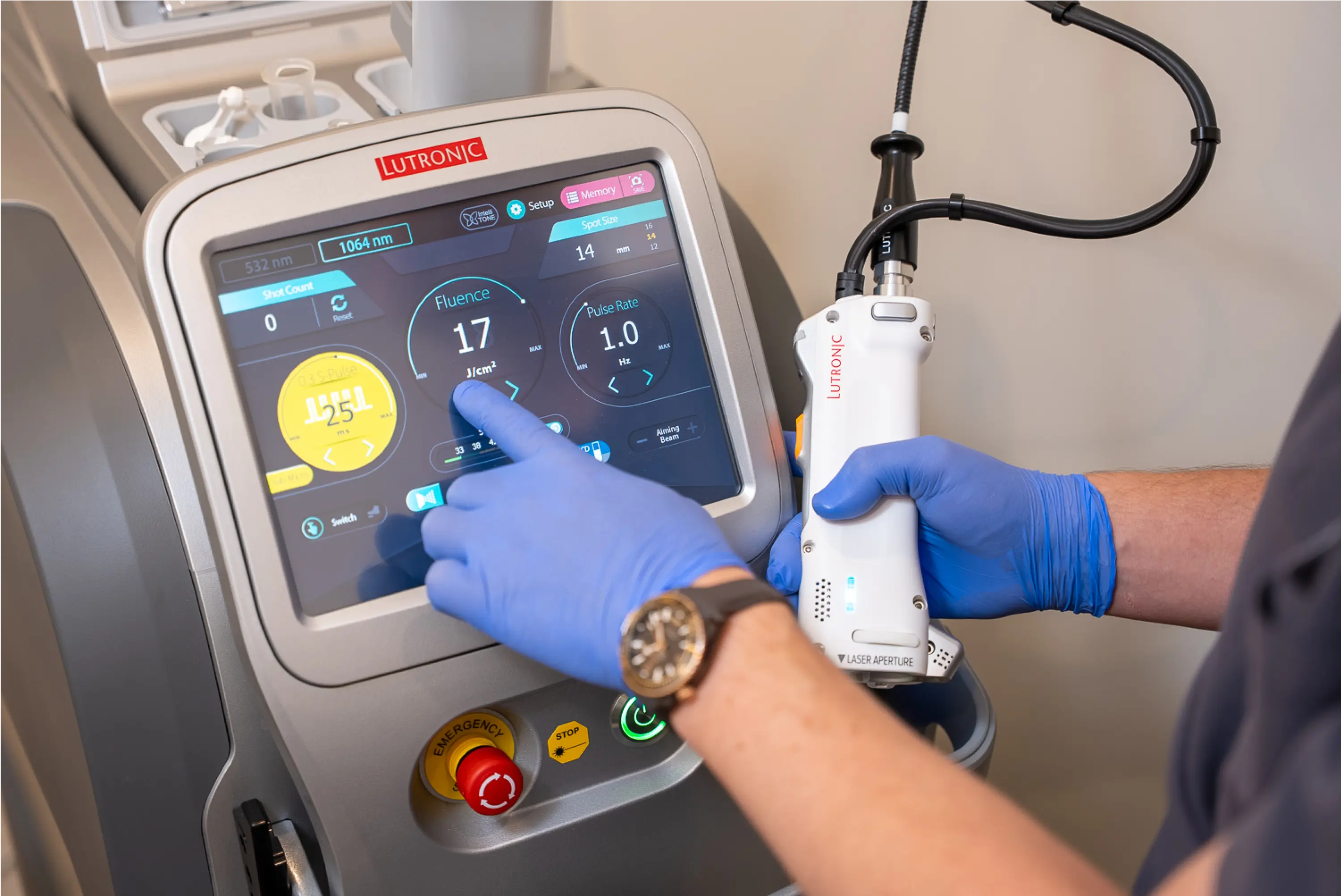
DermaV is a dedicated vascular laser used by dermatologists to treat facial redness, rosacea, and other vascular lesions. It operates at 532 nm and 1064 nm wavelengths, allowing treatment of both superficial and deeper vascular structures.
Most patients require between two and six sessions. Treatments typically take around 15 minutes, with expected downtime of approximately 24–48 hours. Changes usually become more noticeable after several sessions as treatment progresses.
Possible side effects include temporary redness, swelling, or bruising. Scarring is extremely rare when treatment is performed in an appropriate clinical setting.
Treatment costs typically start from $500 per session. In some cases, Medicare rebates may apply to vascular laser treatment when there is a medical indication and treatment is provided by a dermatologist, using specialist-only Medicare items where appropriate.
What results to expect
Improvement in vascular lesions is usually gradual and occurs over a series of treatments. Most patients require multiple sessions, and the aim is meaningful improvement rather than complete clearance.
Response varies depending on vessel type, depth, skin characteristics, and ongoing triggers. While many patients experience a noticeable reduction in redness and visible vessels, maintenance or occasional touch-up treatments may be required over time.Setting realistic expectations from the outset is an important part of treatment planning.
Medical disclaimer
Before-and-after images are for general information only. Results vary between individuals and are not guaranteed. Images show outcomes for one patient only and may not reflect typical results. Any procedure or treatment should be considered only after a clinical assessment by a qualified health practitioner.
Before & afters

Not sure where to start?
We’re here to help you achieve real, measurable improvements in your skin health through expert dermatological care.

Complimentary Nurse-led assessment
For patients who are not ready to book a full dermatology consultation, or who would like guidance before committing to treatment, a nurse-led assessment is available. This option focuses on:
- Initial skin review and education
- Advice on sun protection and early skin preparation
- Guidance on whether dermatologist review is recommended

Ready to take the next step in treating your acne scarring?
Whether it’s pigmentation, scarring, rosacea or skin cancer, we’ll provide a clear diagnosis and a treatment plan tailored to your skin’s needs. Call us today or book a consultation to start your specialist care.