
Skin resurfacing
We offer advanced fully ablative, non ablative and fractionated laser resurfacing to address fine lines, wrinkles, acne scarring, sun damage, and uneven texture. By stimulating new collagen and carefully renewing the skin surface, resurfacing can improve clarity and smoothness.
At a glance
Targets fine lines, wrinkles, acne scars, sun damage, pigmentation


Common treatment areas
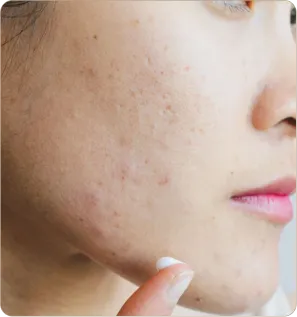
Fine lines, wrinkles, scars, pigmentation
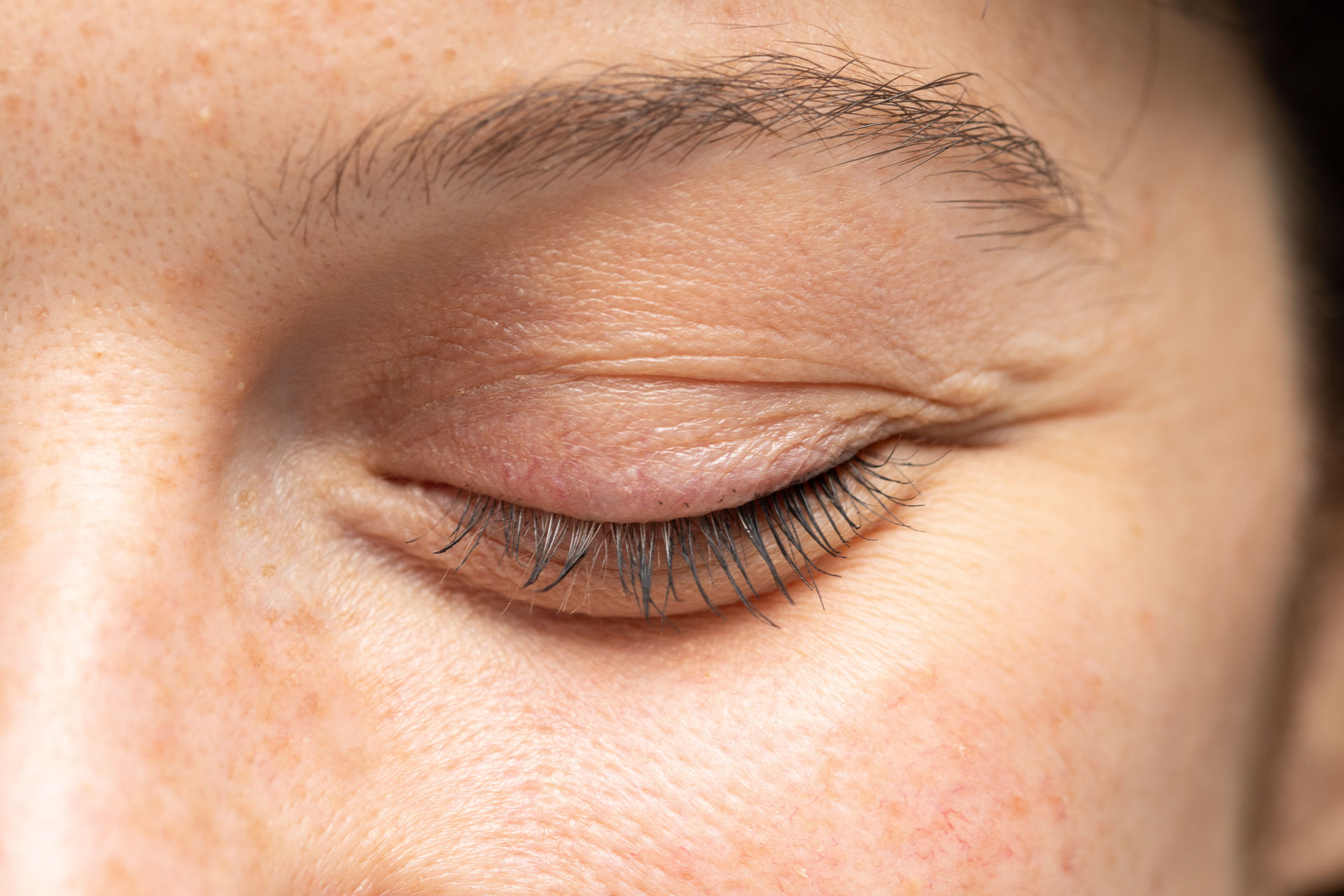
Crepiness, laxity, texture irregularities

Sun damage, pigmentation, skin laxity
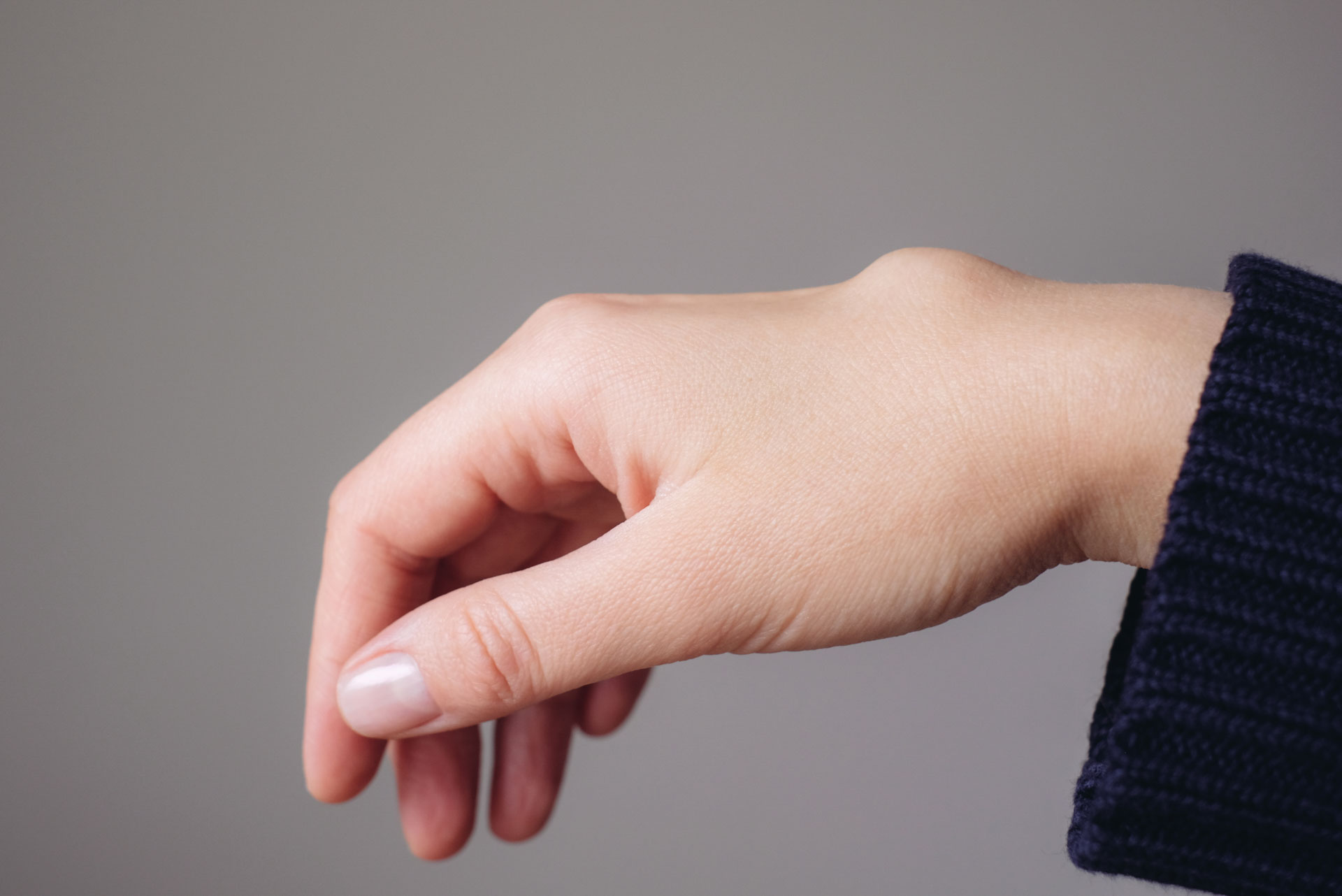
Thinning, pigmentation, and textural change
Not all areas are suitable for all laser types. Suitability depends on skin type, safety considerations, and individual goals, which are reviewed at consultation.
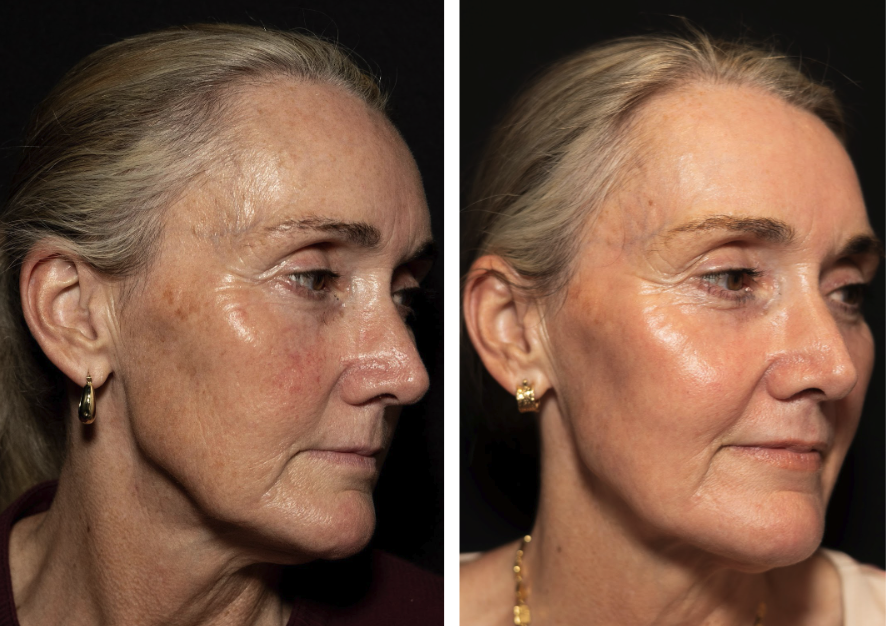
Before & afters
Medical disclaimer
This page is general information only and not medical advice. All treatments and procedures carry risks and potential complications. Suitability, expected outcomes, recovery, and costs vary between individuals and are confirmed after clinical assessment. No specific result can be guaranteed.
Comparing our resurfacing options
Feature
LaseMD Ultra (Non-ablative fractional)
Candela CO₂ (Fully ablative fractional)
Final costs depend on treatment area, intensity, and number of sessions. Confirmed after consultation.
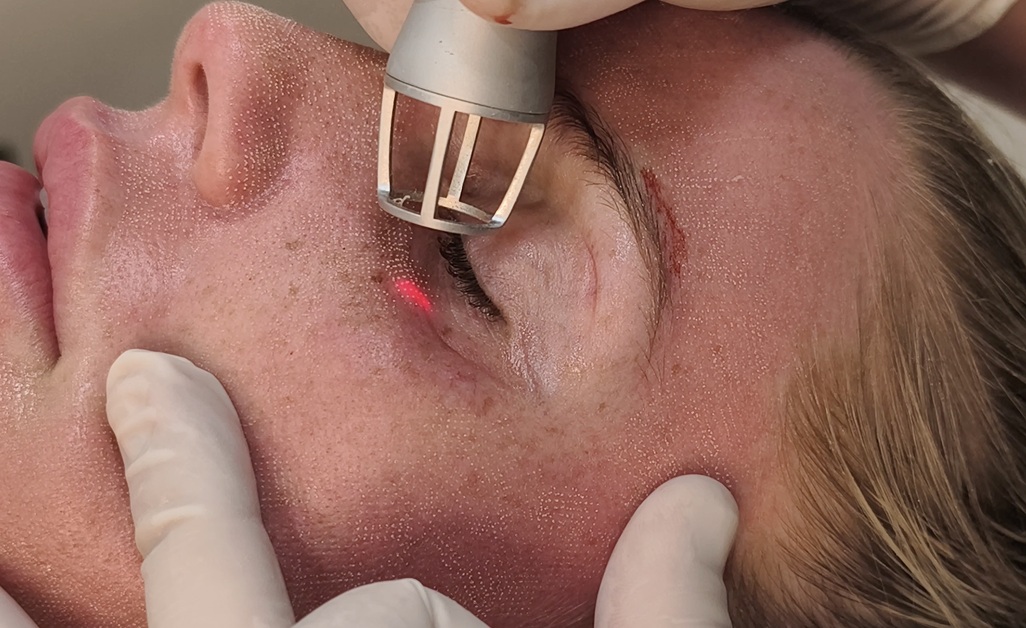
What to expect

LaseMD Ultra (Non-ablative)
Before
- Avoid active skincare, sun exposure, and self-tanning for at least 1 week
- Arrive 60 minutes early for application of topical anaesthetic
- Baseline photos and consent are completed on the day
During
- The procedure is well tolerated with topical anaesthetic alone; oral or inhaled analgesia can be provided if required
- Treatment typically takes 20–45 minutes, depending on the area
- Cooling air is used throughout for comfort
Immediately After
- The skin appears mildly red and warm, similar to a light sunburn
- A soothing serum or skin booster may be applied immediately post-treatment to enhance recovery and results
- You can expect mild tightness or dryness for 1–2 days
Recovery and follow-up
- Mild flaking or roughness may occur over 3–5 days as old cells shed
- Itchiness or dryness can occur as the skin renews
- Most patients return to normal activities within 2-4 days
- A series of 3–4 sessions spaced 4–6 weeks apart achieves optimal results, with ongoing collagen remodelling over time
Candela CO₂ (Fully ablative)
Before
- Avoid active skincare, sun exposure, and self-tanning for at least 2 weeks
- Arrive 1 hour early for topical anaesthetic
- Baseline photos and consent are completed on the day
- You’ll be prescribed prophylactic medication to prevent cold sores and infection
During
- Oral and inhaled analgesia are provided; nerve blocks may be used for larger or sensitive areas
- Treatment takes 45–90 minutes depending on area and depth
- Cooling and smoke evacuation are used throughout for safety and comfort
Immediately After
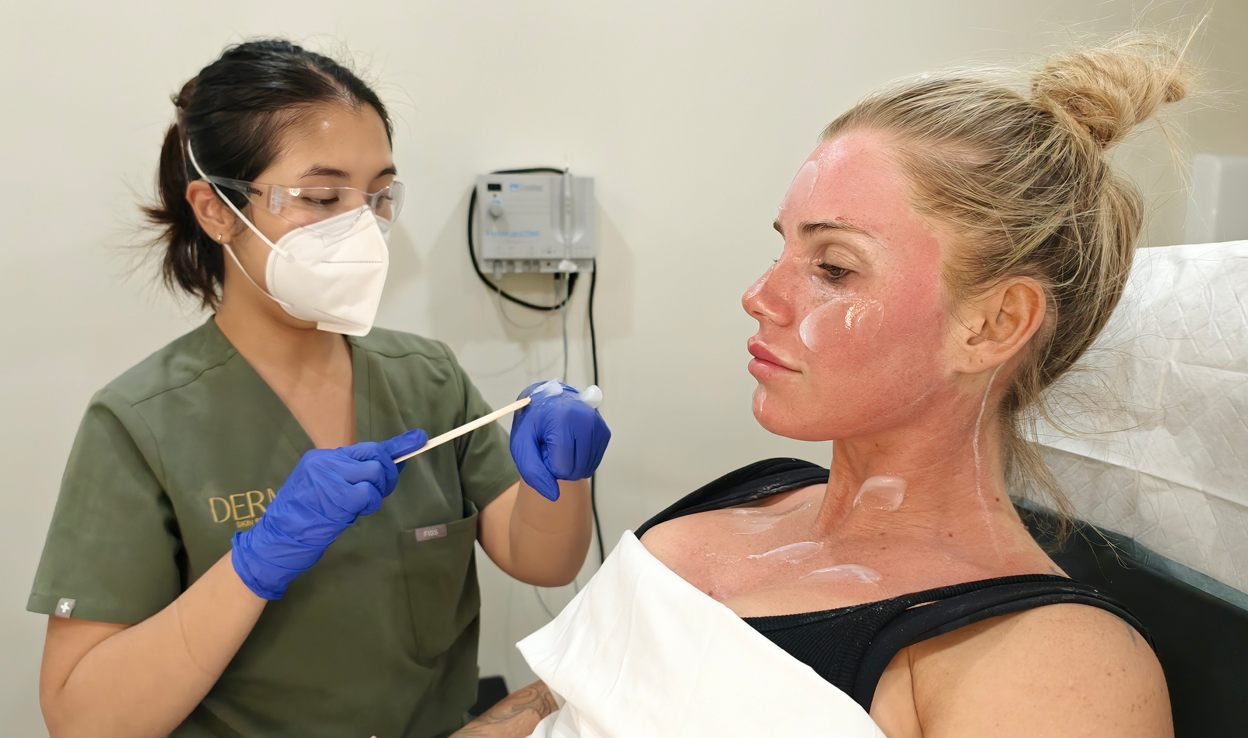
- Expect warmth, redness, swelling and pinpoint oozing
- A topical skin booster may be applied immediately post-procedure to enhance recovery
- A soothing occlusive layer is applied to protect the healing skin
- Patients remain under observation for about 60 minutes before going home
Recovery and follow-up
- Crusting and peeling occur over 5–10 days, followed by fading pinkness for several weeks
- Itching is common as the skin heals
- LED therapy is provided twice weekly for 4–6 weeks to aid healing and reduce inflammation
- Follow-ups occur at Day 1, Day 7, and Day 30 with the doctor
- Most patients resume light duties within 7–10 days; redness gradually settles
- Collagen remodelling and results continue to improve for 3–6 months
- Usually performed as a single treatment; deeper resurfacing may be staged for best results.
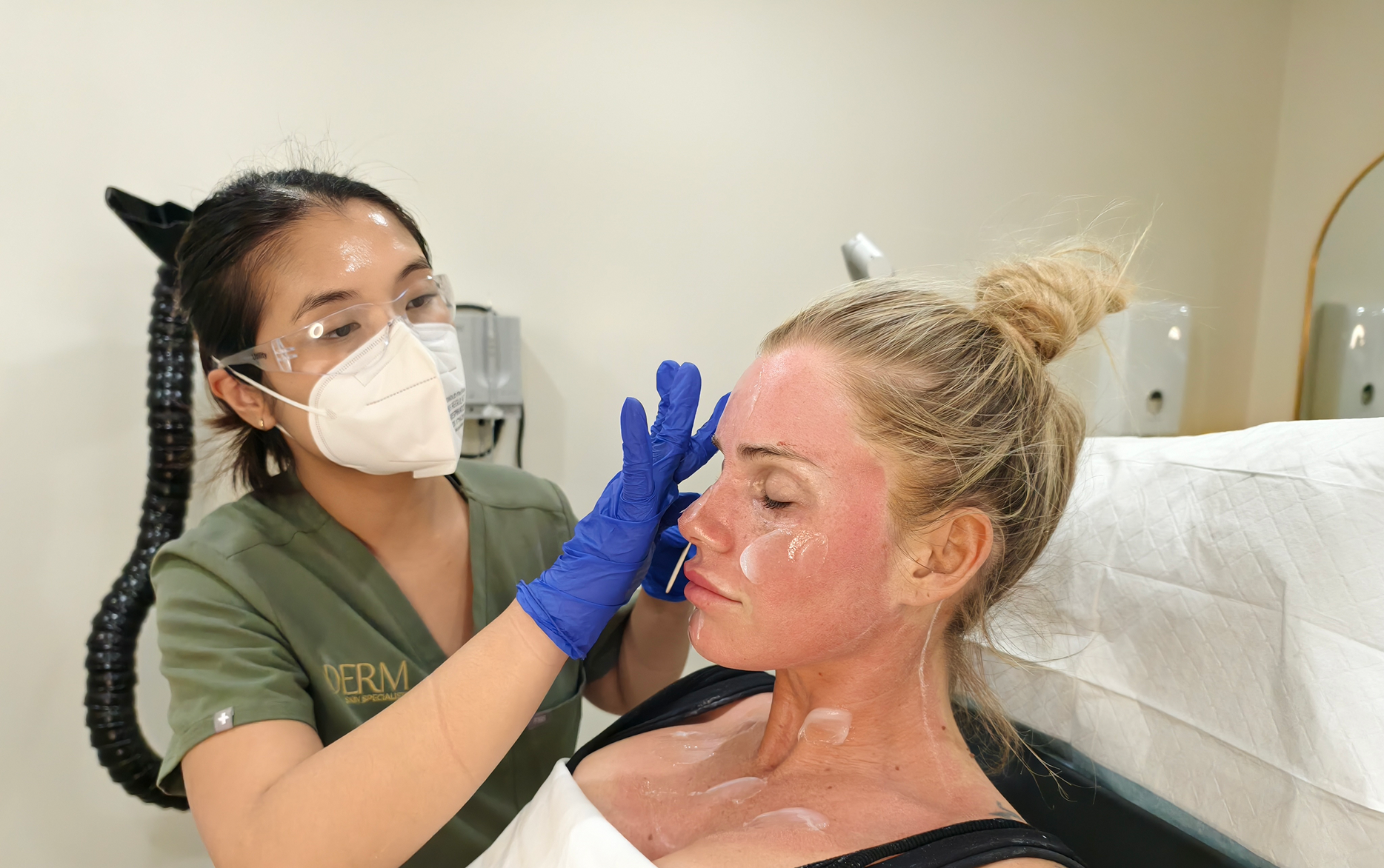
Full co2 journey

Risks and side effects
All medical procedures carry risks. Possible issues include:
- Redness, swelling, discomfort (expected)
- Pigmentation changes (lighter or darker areas)
- Infection or delayed healing
- Scarring (rare)
- Reactivation of cold sores in those with prior history
Risks, prevention, and management are discussed individually during consultation.
_1.jpg)
Recovery
After-care often includes saline soaks, protective ointment, LED light therapy, and sun protection, though details vary depending on the procedure and laser intensity.
Commonly, the skin feels warm, red, or tight for several days as new skin forms. Regular moisturising, gentle cleansing, and daily SPF 50+ help support the healing process and optimise results."
Our most commonly asked skin resurfacing questions
LaseMD Ultra can be tailored to many skin types. Fully ablative CO₂ carries higher pigment-change risk in darker skin and may not be recommended.
Results are usually long-lasting, but skin continues to age. Maintenance care, sun protection, and occasional touch-ups help preserve improvement.
LaseMD Ultra: usually 2–3 days. CO₂: usually 1–2 weeks.
No. Individual results vary and depend on skin type, concern treated, and healing response.sum

Costs
Candela CO₂ (fully ablative resurfacing)
LaseMD Ultra (non-ablative resurfacing)
- Individual results vary
- All procedures carry risks and potential complications
- This information is general in nature and does not replace consultation with a dermatologist
Ready to take the next step in your skincare?
Whether it’s pigmentation, scarring, rosacea or skin cancer, we’ll provide a clear diagnosis and a treatment plan tailored to your skin’s needs. Call us today or book a consultation to start your specialist care.