
Acne treatment at
Derm Skin Specialists Brisbane
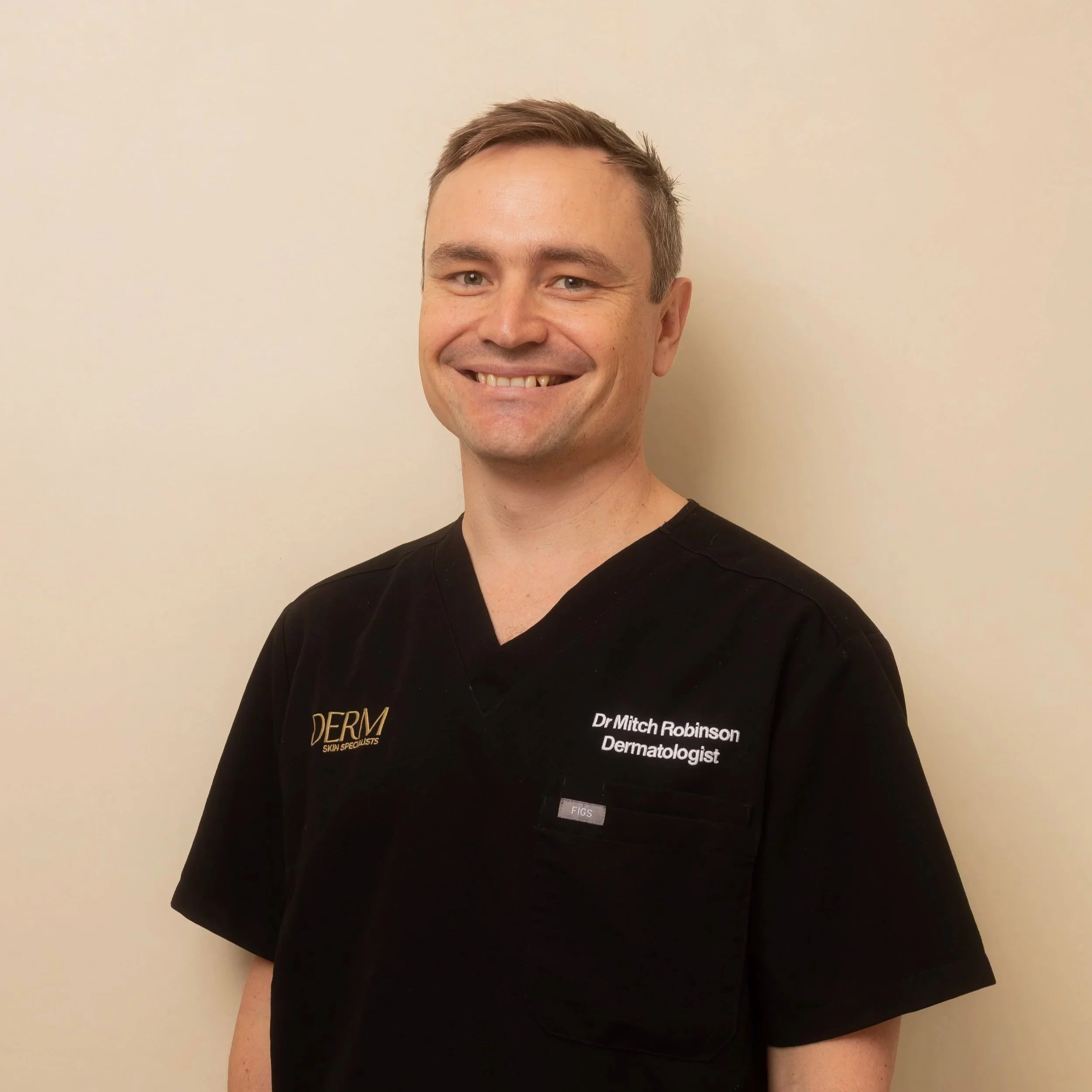
Dr Mitch’s Take
I see acne as a chronic condition. Treating it like a short-term problem is how people end up in the same loop for years, flare, suppress, flare again.
The good news is I can usually treat acne very effectively. In many patients, I can get things to clear or near-clear and keep it stable. It just works best as a steady plan, not a “three-week rescue mission”.
A lot of people are put off by the reputation of oral retinoids. The side effects are real and well documented, but the old model was often heavy-handed dosing. In my practice, I use gentler, more tolerable dosing and build control over time. Most patients avoid the worst of the side effects, and we still get to the same end point.
That’s also why I like combining medical care with laser and light when it’s appropriate. The medical pathway gives the long-term control. The device pathway helps calm inflammation, often reduces the “purge” phase, and speeds visible improvement while the longer plan does its job.
Even mild acne matters. Any acne can scar.
Understanding Acne
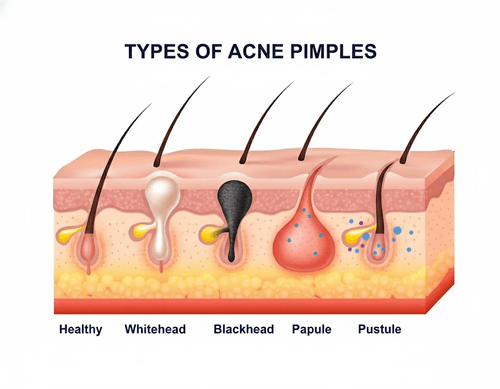
Acne isn’t one uniform disease. It’s a mix of blocked pores (blackheads/whiteheads), inflammation (red bumps and pustules), deeper cystic lesions in some patients, and sometimes hormonal drivers.
Two people can both say “acne” and need completely different plans. That’s why we don’t treat it by product shopping or guesswork. We treat the pattern.
What the journey looks like at
Derm Skin Specialists
01
Initial dermatologist assessment
We map the acne type, distribution, inflammation level, and scarring risk. We also go through what you’ve already tried topical therapy, oral antibiotics, hormonal options where relevant, and how you tolerated them.

02
Two pathways often combined
In most consults I explain it simply: there’s a medical pathway and a laser/light pathway. You can do one or the other. For best results, we often do both.
03
Review and adjustment
Acne changes as it improves. Your plan should change too, we step things up or down based on response, side effects, and what you can realistically maintain.
Treatment Pathways
Following a dermatologist consultation, these are the main treatment pathways that may be advised:
-
For many patients, the backbone is a prescription plan that may include oral retinoids. They are not the right choice for everyone, but when they are appropriate, they offer strong long-term control.
We don’t chase fast results with harsh dosing. The aim is a dose you can tolerate, with monitoring and review, that’s how most patients stay on track long enough to actually finish the job.
-
This is the program we use to settle inflammation and help you get momentum early.
DermaV laser acne program
Typically every 3–4 weeks, with 3–4 sessions in total.
LED therapy blue/red
Usually booked on the alternate weeks between laser sessions. It’s supportive, low downtime, and helps keep things calmer as treatment progresses.
Patient coordination so the plan doesn’t drift If you’re doing a laser/light course, you’re assigned a patient coordinator to keep scheduling, spacing, and follow-up organised.
-
LED Therapy
$95 per sessionDermaV Laser
$350 per session with our nurse or;
Price on assessment by our dermatologistYour total cost depends on how your plan is sequenced and how many sessions are appropriate for your acne pattern.
What results to expect
Acne is usually not “fixed” in one step. The early wins are fewer inflamed breakouts and calmer skin. The bigger win is stable control over time.
Some patients clear quickly. Others need a longer runway, especially if acne is hormonal, cystic, or already scarring. The aim is meaningful improvement and long-term stability, with a plan that’s tolerable enough to finish.
Results vary between individuals, and no acne treatment can be guaranteed.
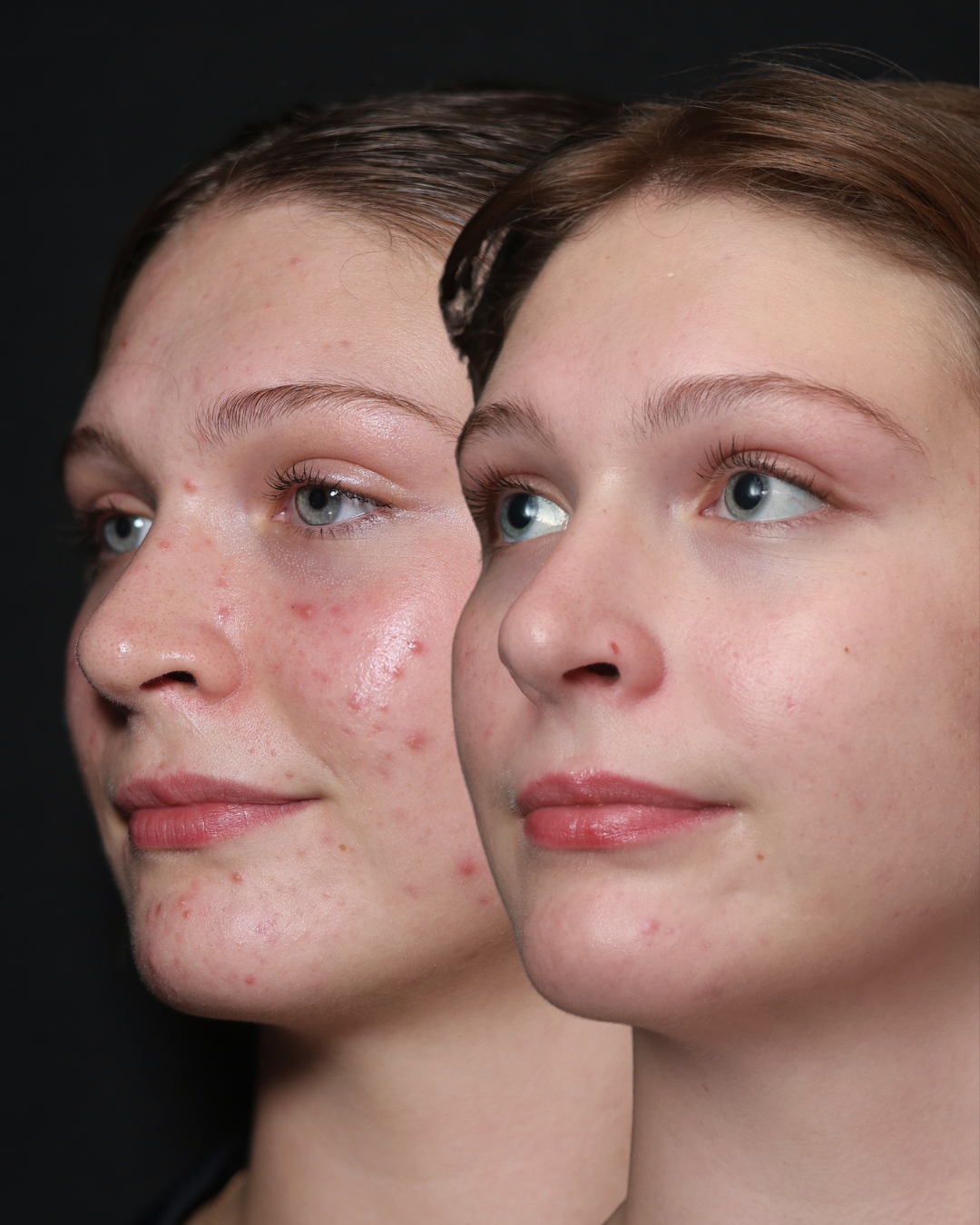
Acne – Medical therapy - 4 months post treatment initiation
Medical disclaimer
Before-and-after images are for general information only. Results vary between individuals and are not guaranteed. Images show outcomes for one patient only and may not reflect typical results. Any procedure or treatment should be considered only after a clinical assessment by a qualified health practitioner
Not sure where to start?
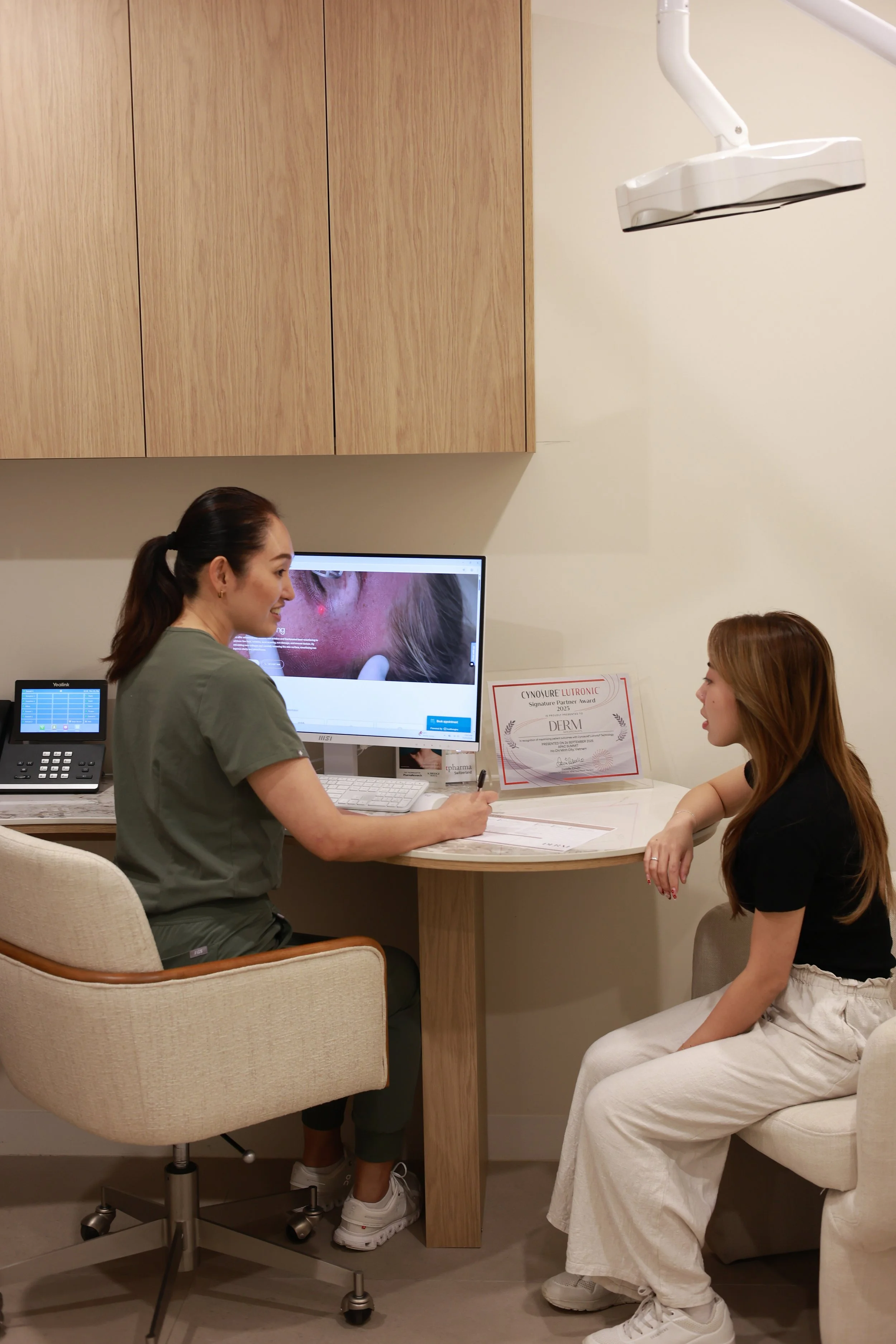
The best starting point is a dermatology consultation. That’s where we confirm the acne pattern, scarring risk, and the most appropriate pathway.
If your main goal is treatment planning and understanding device, a complimentary nurse-led consult can help you get oriented, and we'll tell you if a dermatologist assessment is necessary to move forward and explain the next steps.
Our Most Commonly Asked Questions
Medical disclaimer
This page is general information only. Acne treatment is individualised and decided after clinical assessment.
We consider all appropriate options (topical therapy, oral therapy, hormonal approaches where relevant, and device-based support). We do not treat every patient with oral retinoids, and they are not suitable for everyone.
-
Often, yes. Acne tends to relapse if treatment stops too early or if the long-term 'control' part is skipped.
-
Yes. Mild acne can still scar, especially if it’s persistent or picked.
-
No. Some patients do very well with topical therapy and/or device-based support. Oral options are considered when they’re the right fit, not by default.
-
They can have side effects, and those risks are taken seriously. In our clinic we often use gentler dosing and monitor properly, which is why many patients tolerate the course better than they expected.
-
Sometimes they’re enough for milder patterns, but for many patients they work best as part of a combined plan, calming inflammation and helping early control while longer-term medical control builds.
-
It’s used as part of an intensive program to settle inflammatory activity and speed visible improvement during the early phase of treatment.
-
It’s supportive therapy used to calm the skin and reduce inflammation. It’s not a stand-alone cure, but it can be a useful adjunct.
-
Some patients do, especially early on with certain medical and topical approaches. That’s one reason we often pair treatment with laser/light support.
-
It varies. Many people see change within weeks, but durable control usually takes a consistent plan over months.
-
No. We aim for major improvement and long-term control, and many patients do extremely well, but results vary and depend on acne type, adherence, and individual biology.
-
Tell us at booking. Some acne treatments are not suitable in pregnancy or when trying to conceive, and your plan needs to be adjusted safely.