
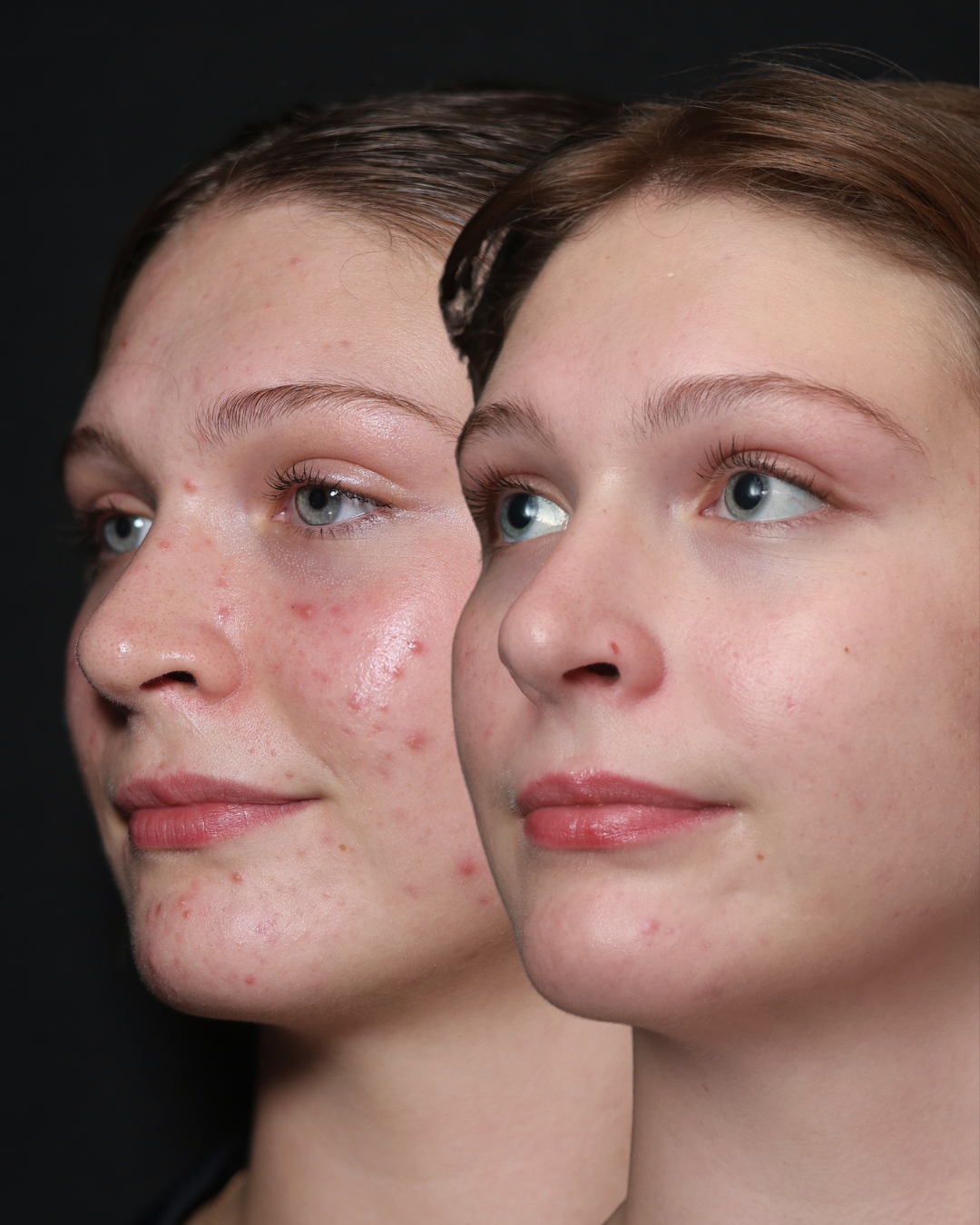
Clinically guided acne scarring treatments from professional dermatologists
Derm Skin Specialists is the professional team of specialist dermatologists in Brisbane delivering advanced, evidence-based acne scarring treatments to manage inflammation, improve textural concerns and address uneven tone.
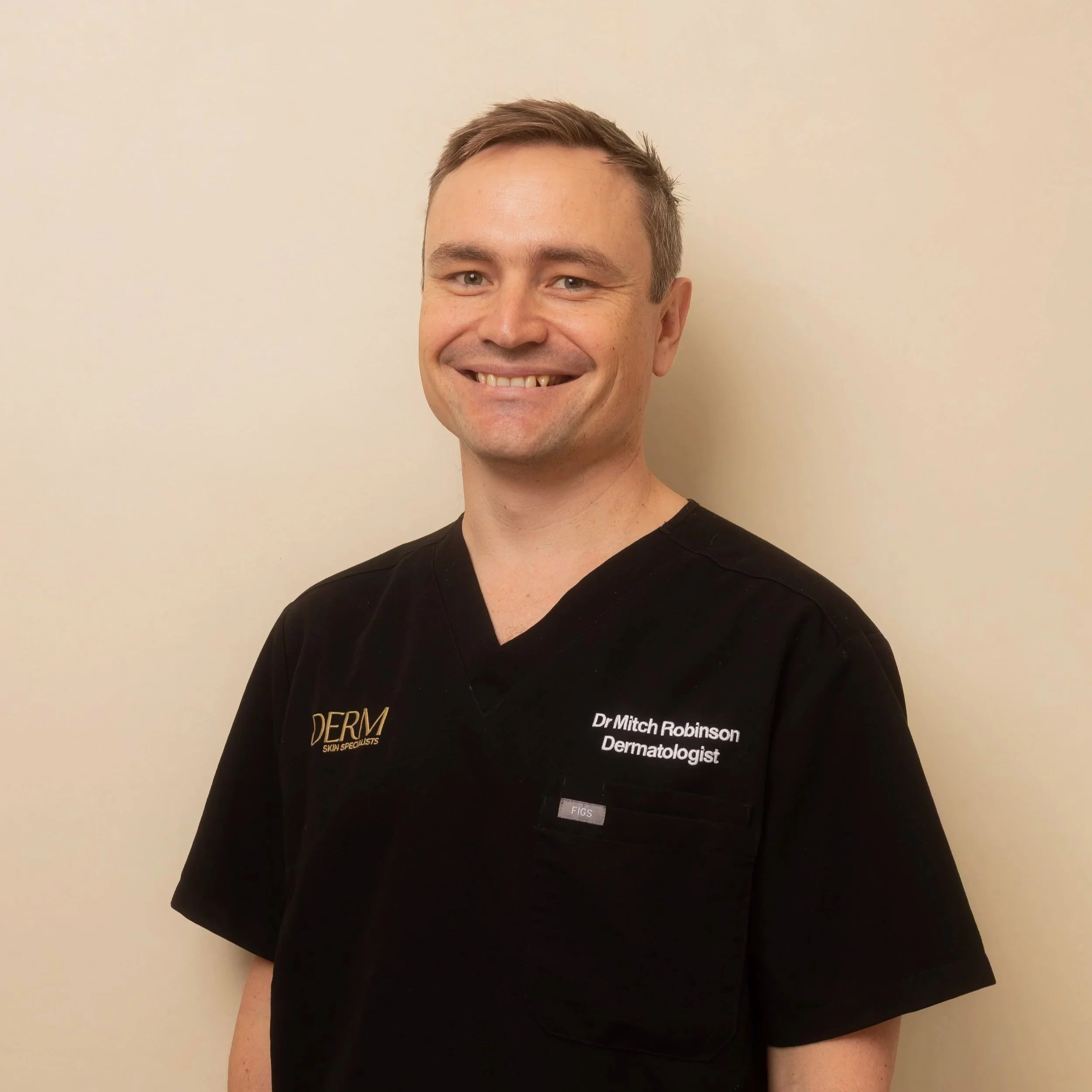
Dr Mitch’s Take
I see acne as a chronic condition. Treating it like a short-term problem is how people end up in the same loop for years, flare, suppress, flare again.
The good news is I can usually treat acne very effectively. In many patients, I can get things to clear or near-clear and keep it stable. It just works best as a steady plan, not a “three-week rescue mission”.
A lot of people are put off by the reputation of oral retinoids. The side effects are real and well documented, but the old model was often heavy-handed dosing. In my practice, I use gentler, more tolerable dosing and build control over time. Most patients avoid the worst of the side effects, and we still get to the same end point.
That’s also why I like combining medical care with laser and light when it’s appropriate. The medical pathway gives the long-term control. The device pathway helps calm inflammation, often reduces the “purge” phase, and speeds visible improvement while the longer plan does its job.
Even mild acne matters. Any acne can scar.
What is acne scarring, and what are the types?
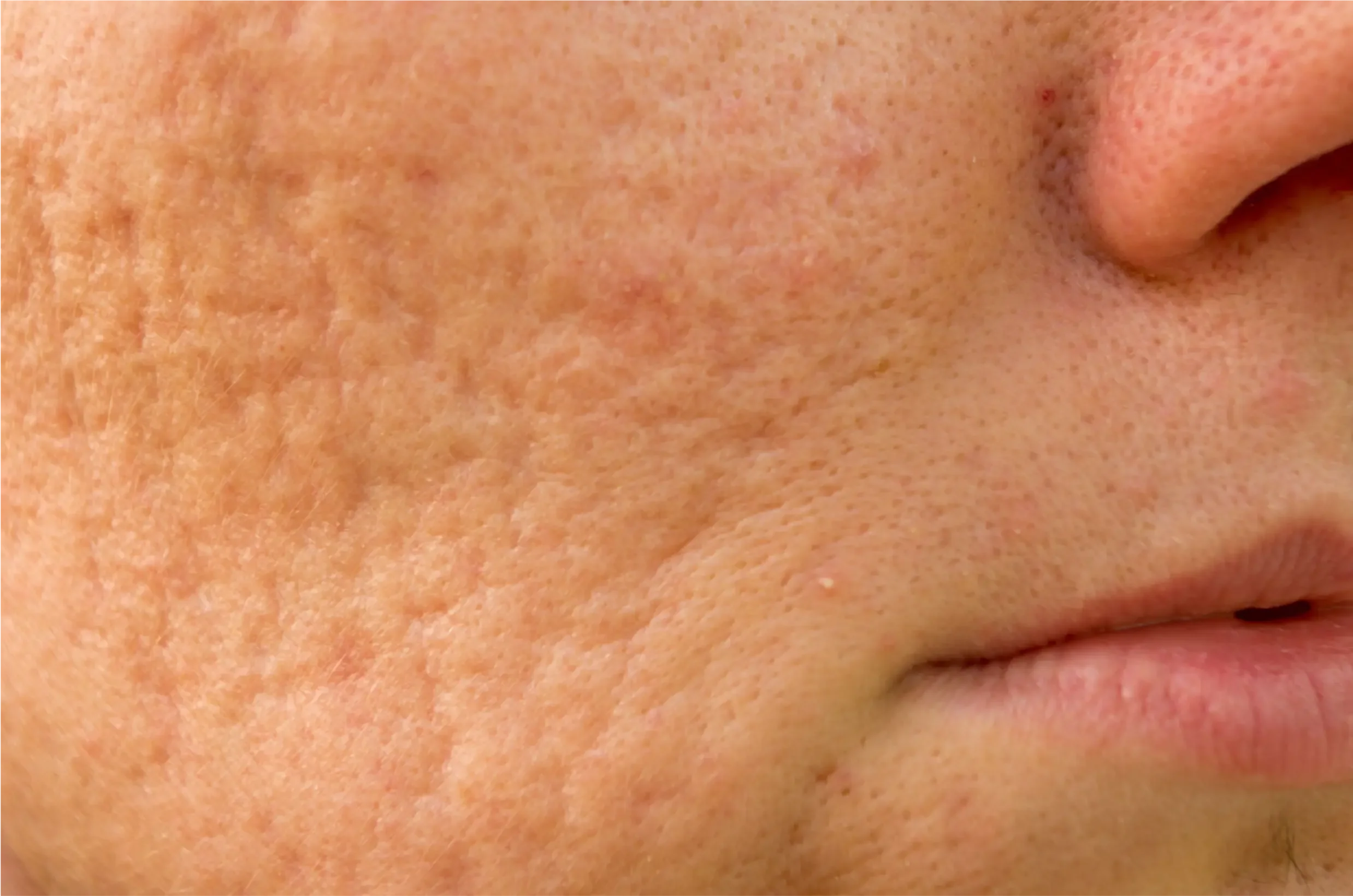
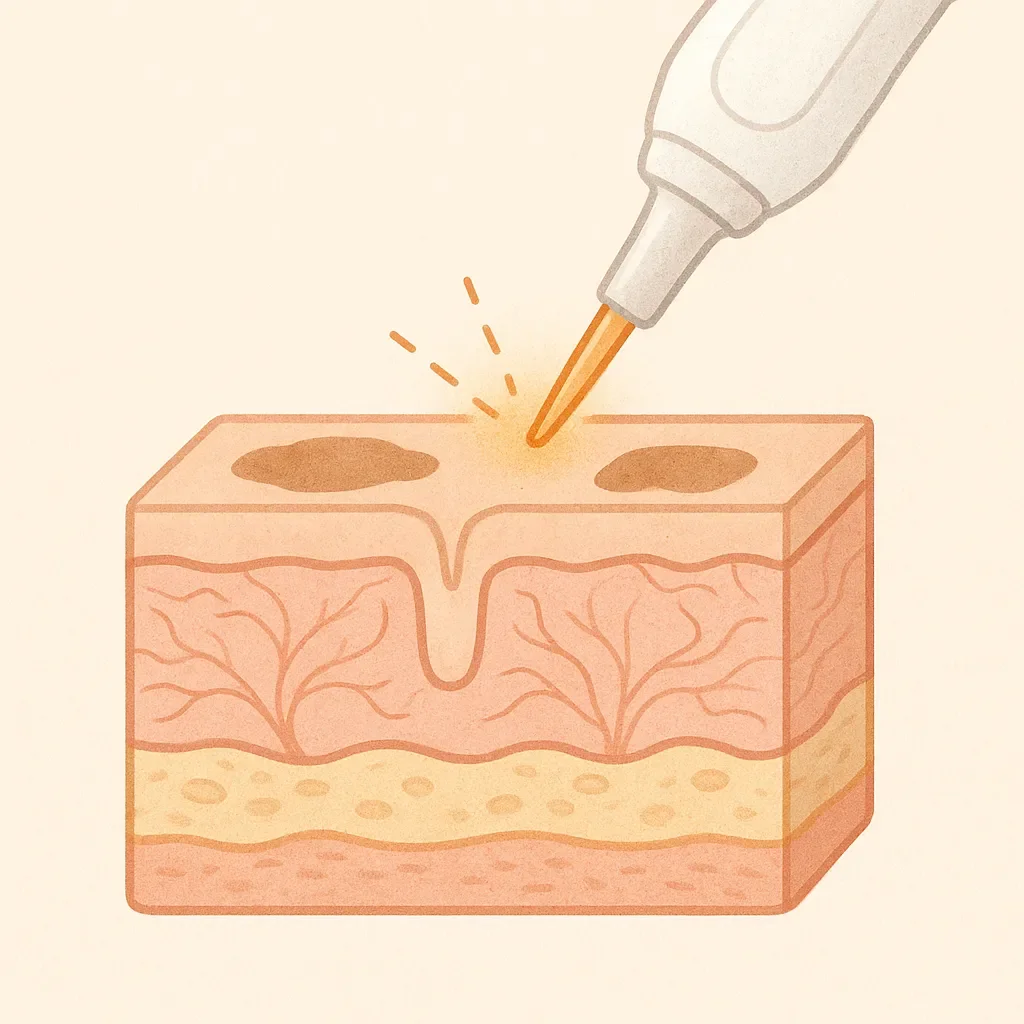
Acne scarring develops when inflammation from active acne disrupts the normal wound-healing process. As the skin repairs, it may produce too little collagen (leading to indentations) or too much (resulting in raised, thickened scars). Changes in blood vessels or melanin activity can also leave red or brown marks after breakouts settle.
Because each scar type forms through a different structural change in the skin, the most suitable treatment depends on the depth of tissue involvement, the degree of collagen disruption and the presence of vascular or pigment changes. All these factors and changes mean that having your skin assessed by a dermatologist who can recommend the best treatment and approach is essential for long-term results.
Below is an overview of the main types of acne scarring and how they are typically managed.
The scars
Understanding Your Scars
Acne scarring isn’t one-size-fits-all. Your skin type, the kind of scarring (whether it’s a change in colour or texture), and the depth of damage all determine which treatment approach is right for you. That’s why we begin with a thorough assessment before recommending any procedures. Our dermatologists specialise in treating all scar types, with precision, clarity, and experience guiding every step.
-
Rolling scars are broad depressions with sloping edges that give the skin a wavy, uneven appearance. They’re caused by fibrous bands of tissue pulling the skin down from below and are often the result of long-term, untreated inflammatory acne.
Recommended treatments:
CO₂ Laser Resurfacing – Recommended to refine skin texture and stimulate collagen production. The goal is to release tension beneath the scar and restore a more even skin surface.
Subcision – A minor surgical procedure that breaks the fibrous bands pulling the skin down and creating a wavy appearance. This allows the skin to lift and smooth out over time.
CO₂ laser resurfacing and subcision are often performed in combination to achieve optimal results. -
Icepick scars are narrow, deep scars that extend into the lower layers of the skin, making them some of the most difficult acne scars to treat. At our clinic, we use a combination of specialised treatments to achieve noticeable improvements.
Recommended treatments:
TCA CROSS — a targeted chemical reconstruction method that uses trichloroacetic acid to gently break down underlying scar tissue and stimulate new collagen production deep within the scar. This technique helps “fill in” the scar over time, improving texture and reducing depth.
CO₂ Laser Resurfacing — for larger and more extensive icepick scars, CO₂ resurfacing laser can be used to smooth the skin’s surface and support deeper skin renewal. -
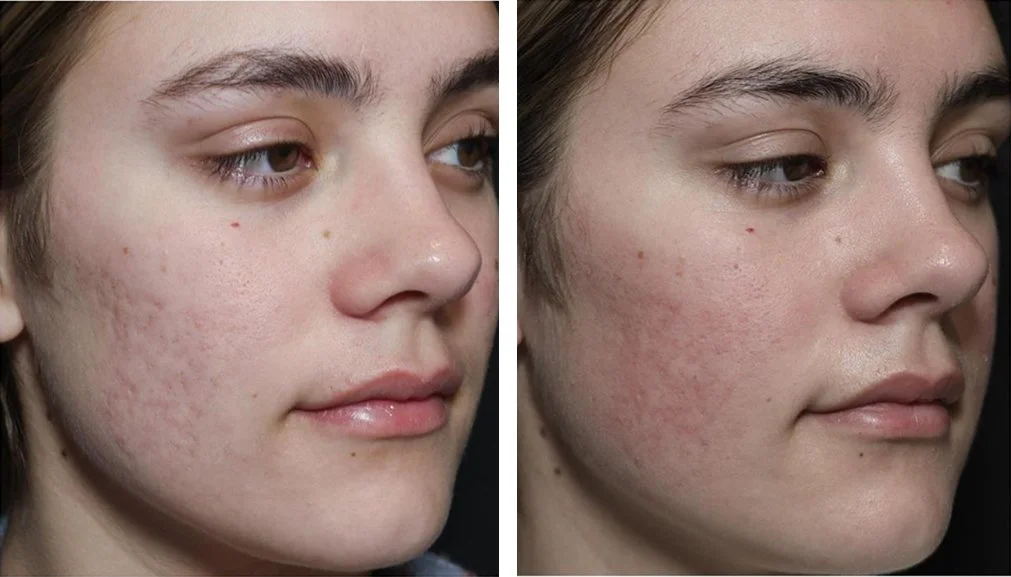
Boxcar scars are broad, shallow depressions with well-defined edges. They often form after severe acne and are particularly noticeable under certain lighting due to uneven skin texture.
Recommended treatments:
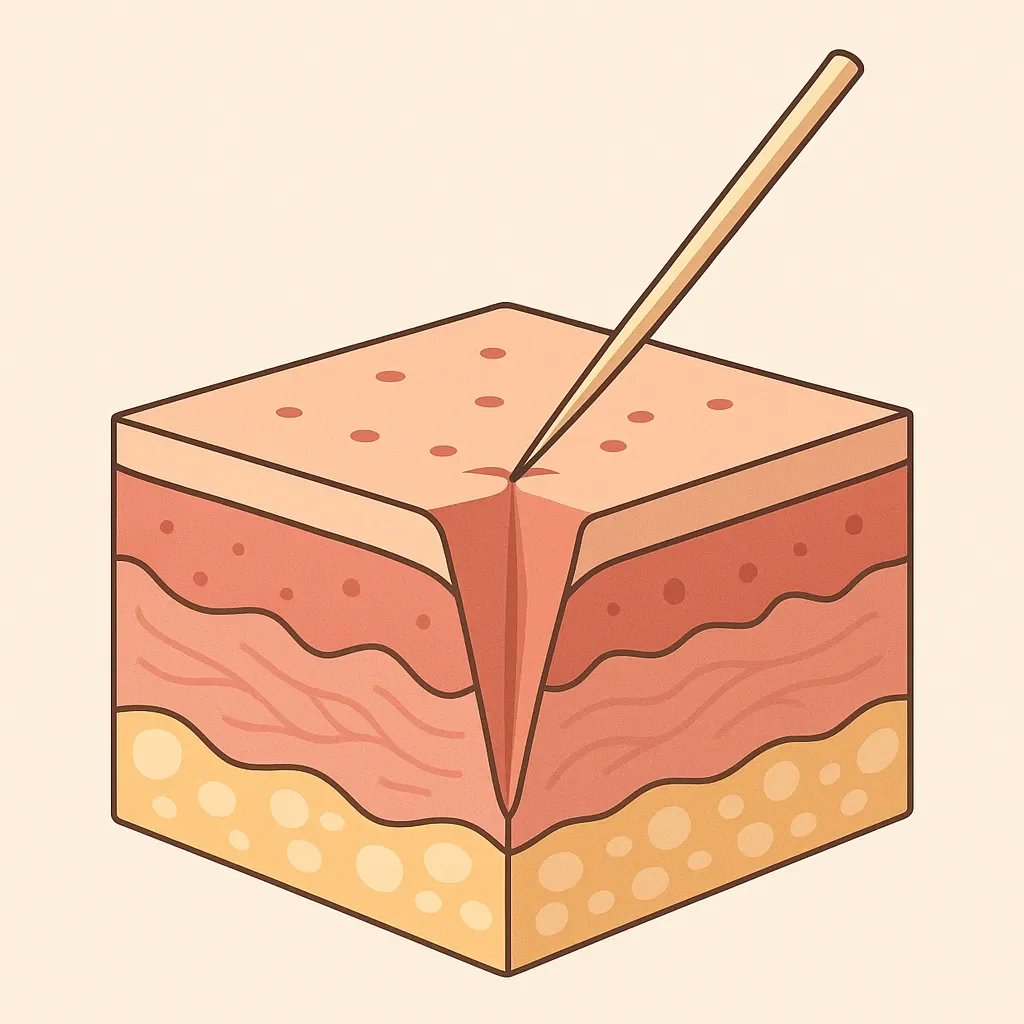
Subcision – This technique involves using a fine needle to release the fibrous bands that tether the scar to deeper layers of the skin. This helps lift the scar and create a smoother surface.
Punch Excision – For deep and well-defined scars, punch excision can be used to surgically remove the scar tissue. The area is then closed with a small stitch or allowed to heal naturally.
CO₂ Laser Resurfacing – A fractional or fully ablative CO₂ laser is used to precisely remove damaged skin layers and stimulate collagen production. This helps soften sharp scar edges, improve skin texture, and promote long-term skin renewal.
To achieve the best results, our specialists may combine these treatment options to gently smooth scar edges and enhance overall skin texture. -
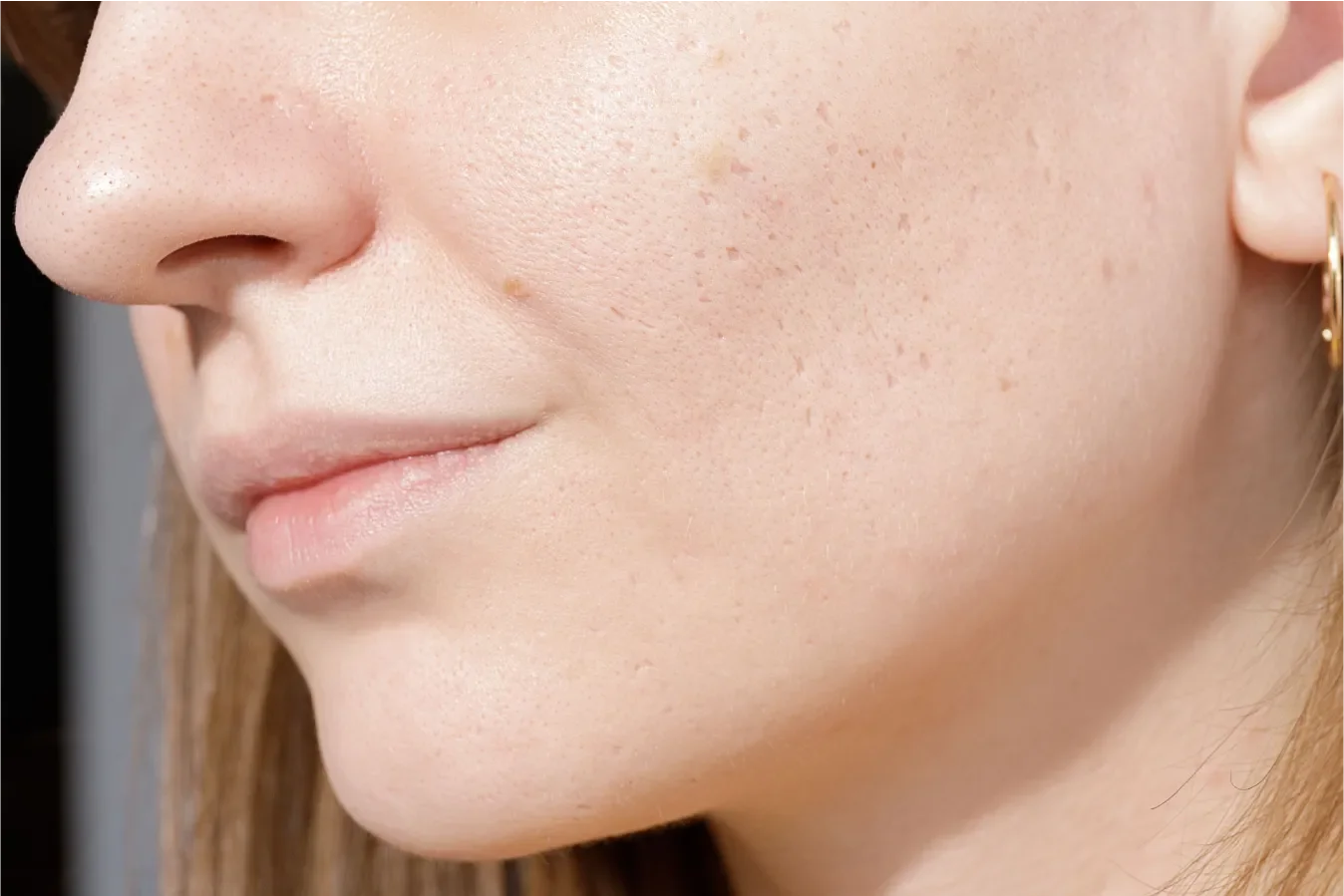
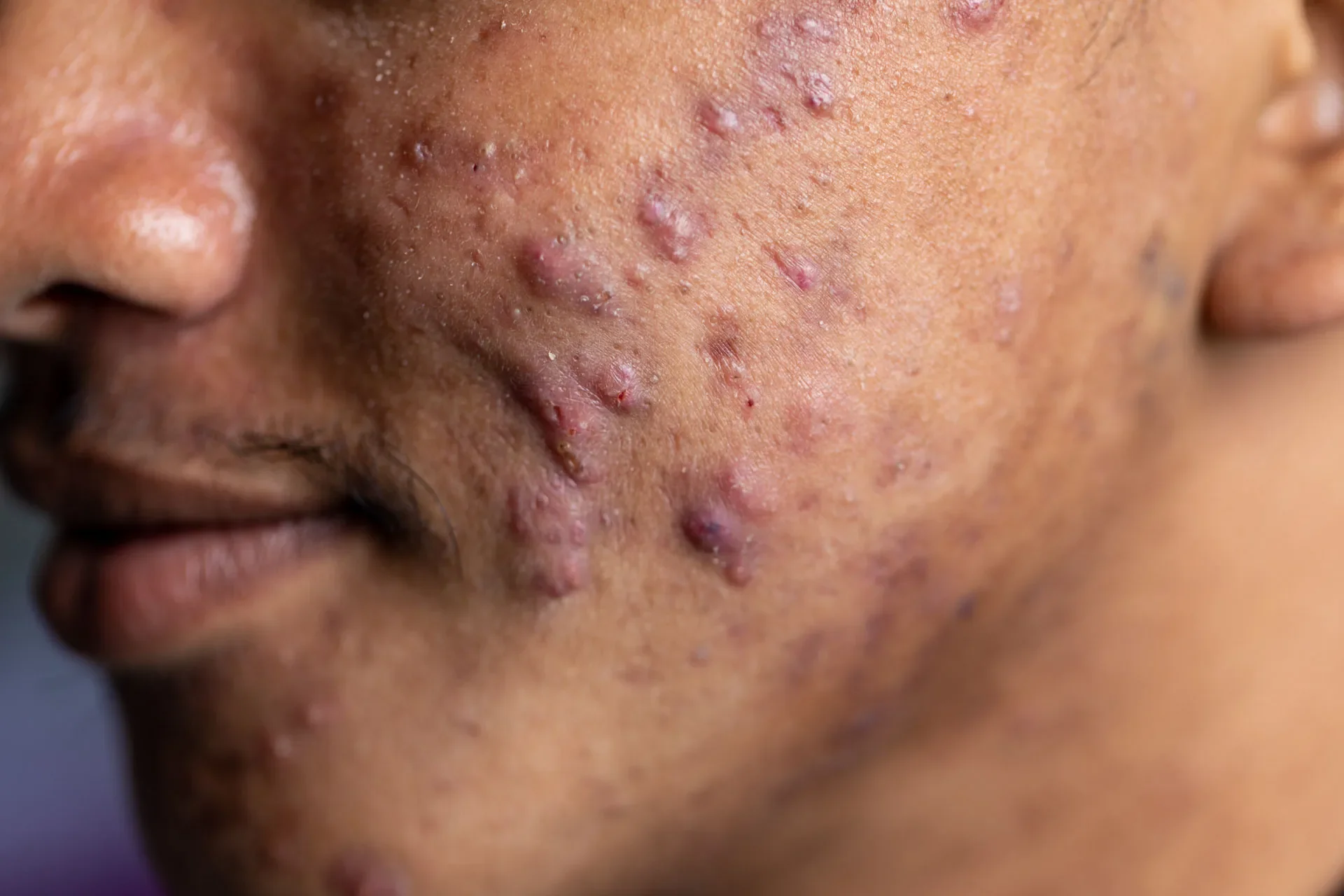
Hypertrophic scars are raised, thickened scars that form when the body produces too much collagen during the healing process. Unlike other acne scars, these don’t sink into the skin — instead, they appear as firm, elevated bumps that may be red or flesh-toned. They’re more likely to develop after severe or inflamed acne, particularly on the chest, back, jawline, or shoulders.
Recommended treatments:
Intra-lesional injections – Corticosteroids are injected directly into the scar to reduce inflammation and collagen production. Over a series of treatments, this helps flatten the scar and soften its texture. For particularly stubborn scars, we may also combine intra-lesional injections with DermaV vascular laser therapy to help speed up resolution.
Surgical revision – In selected cases, especially where the scar is particularly thick or resistant to injections, surgical excision may be performed to remove the scar tissue. This is usually followed by preventative treatments—such as steroid injections to minimise the risk of recurrence.
Boxcar Scars
Rolling Scars
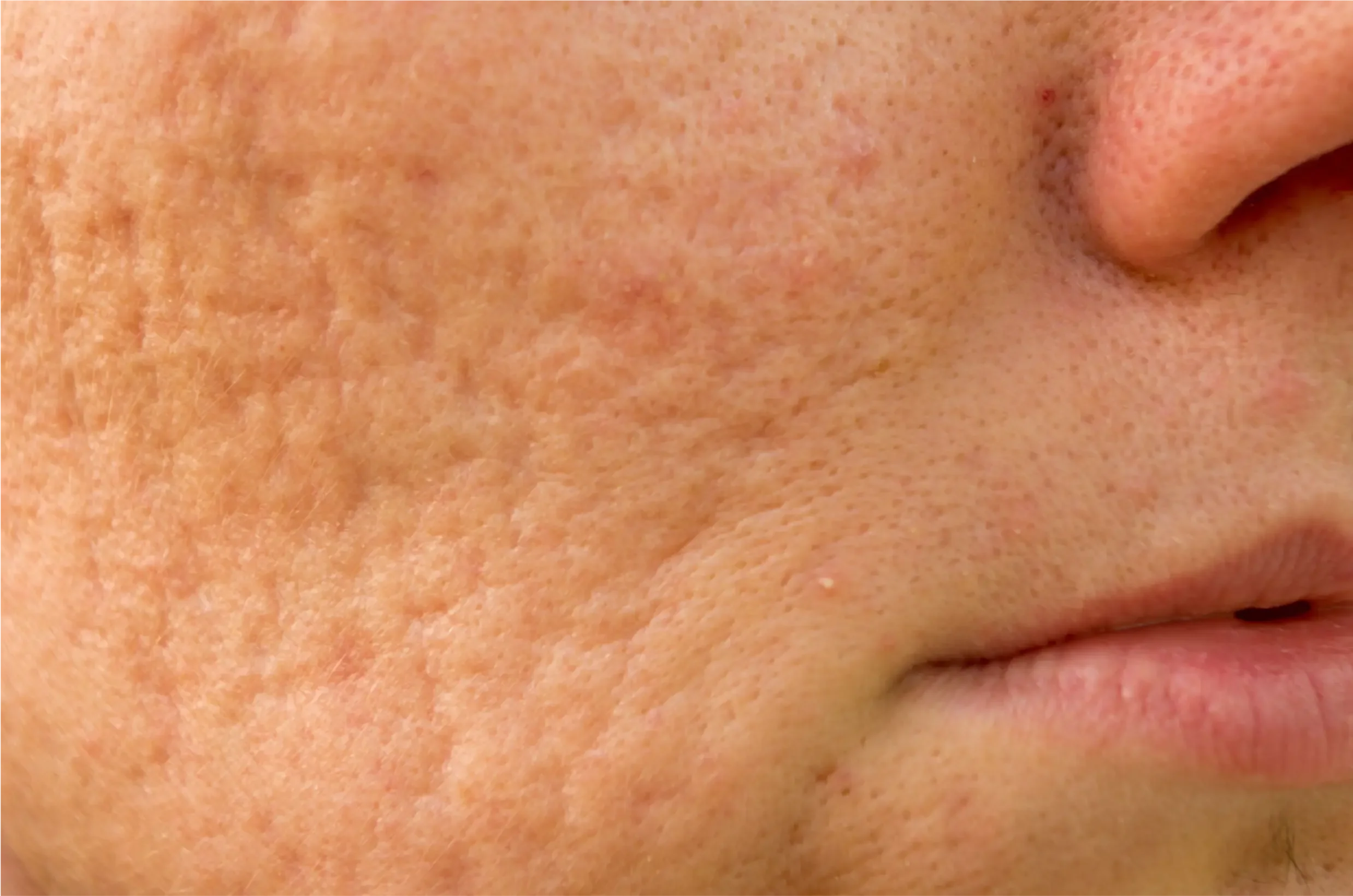
Icepick Scars
Hypertrophic Scars
Colours
Different Types Of Colours
Acne scarring isn’t one-size-fits-all. Your skin type, the kind of scarring (whether it’s a change in colour or texture), and the depth of damage all determine which treatment approach is right for you. That’s why we begin with a thorough assessment before recommending any procedures. Our dermatologists specialise in treating all scar types, with precision, clarity, and experience guiding every step.
Brown Scars
-
Brown marks left behind after acne — known as post-inflammatory hyperpigmentation (PIH) — are especially common in darker skin types. These marks can linger for years if not properly treated.
Recommended treatments:
We use the Pico Pro laser — a state-of-the-art, Korean-made picosecond device — to safely and effectively fade pigmentation without damaging the surrounding skin. This advanced laser delivers ultra-short pulses that break down excess melanin while stimulating skin repair, helping to restore a clearer, more even complexion.
The Pico Pro is especially well-suited for treating PIH in darker skin types, offering powerful results with minimal risk of irritation or rebound pigmentation. A series of treatments is usually recommended, with most patients noticing visible improvement in tone and clarity over time. -
Redness left behind after acne — known as post-inflammatory erythema — is a common concern we treat. It can be stubborn and affect confidence long after breakouts have cleared.
Recommended treatments:
Vascular Laser – Our specialists use the DermaV vascular laser, a gentle treatment that works by dissolving the microscopic vessels contributing to redness. This helps calm the skin and restore a more even tone. It’s suitable for most skin types and is well tolerated, with minimal downtime.
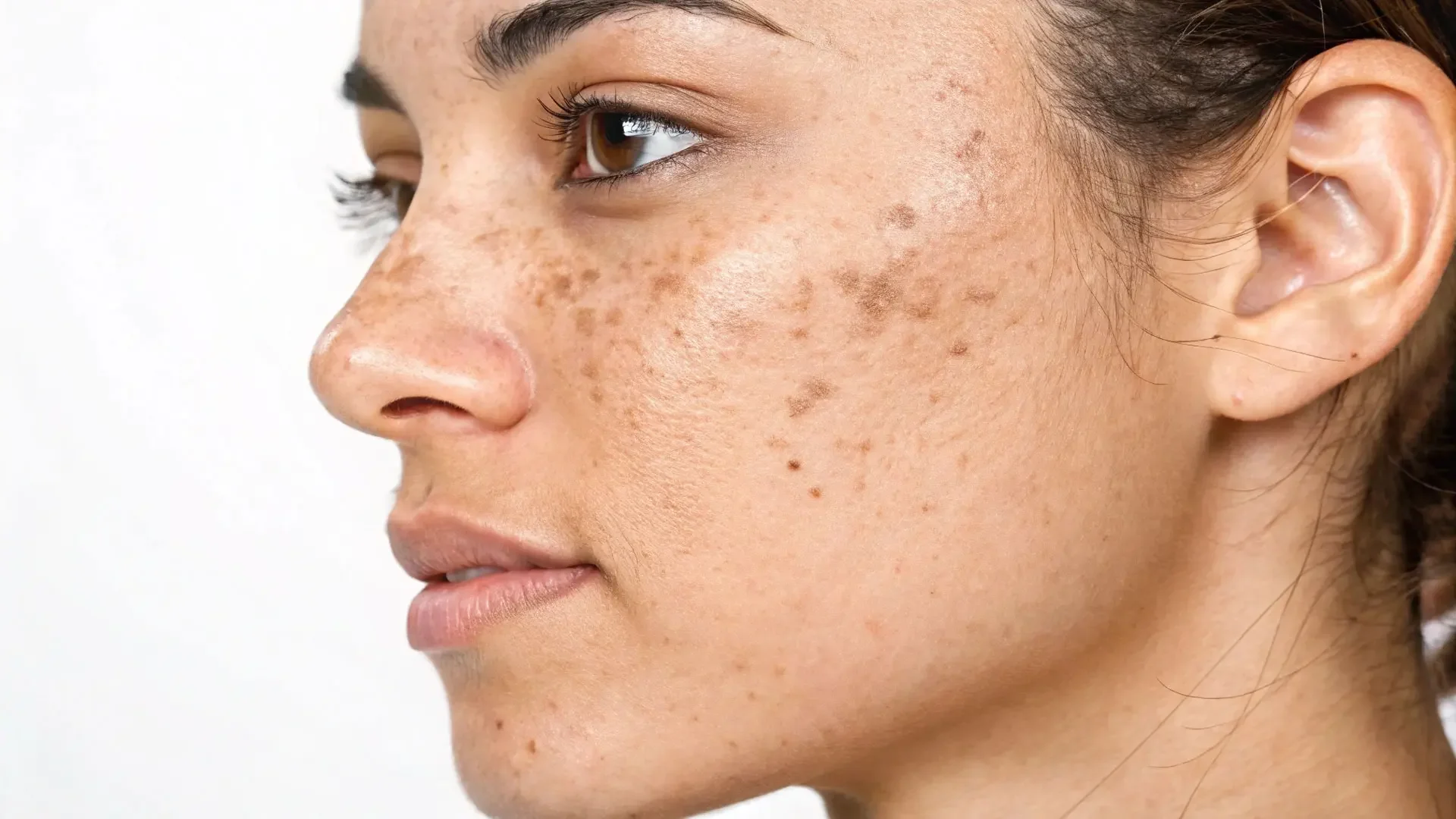
Red Scars
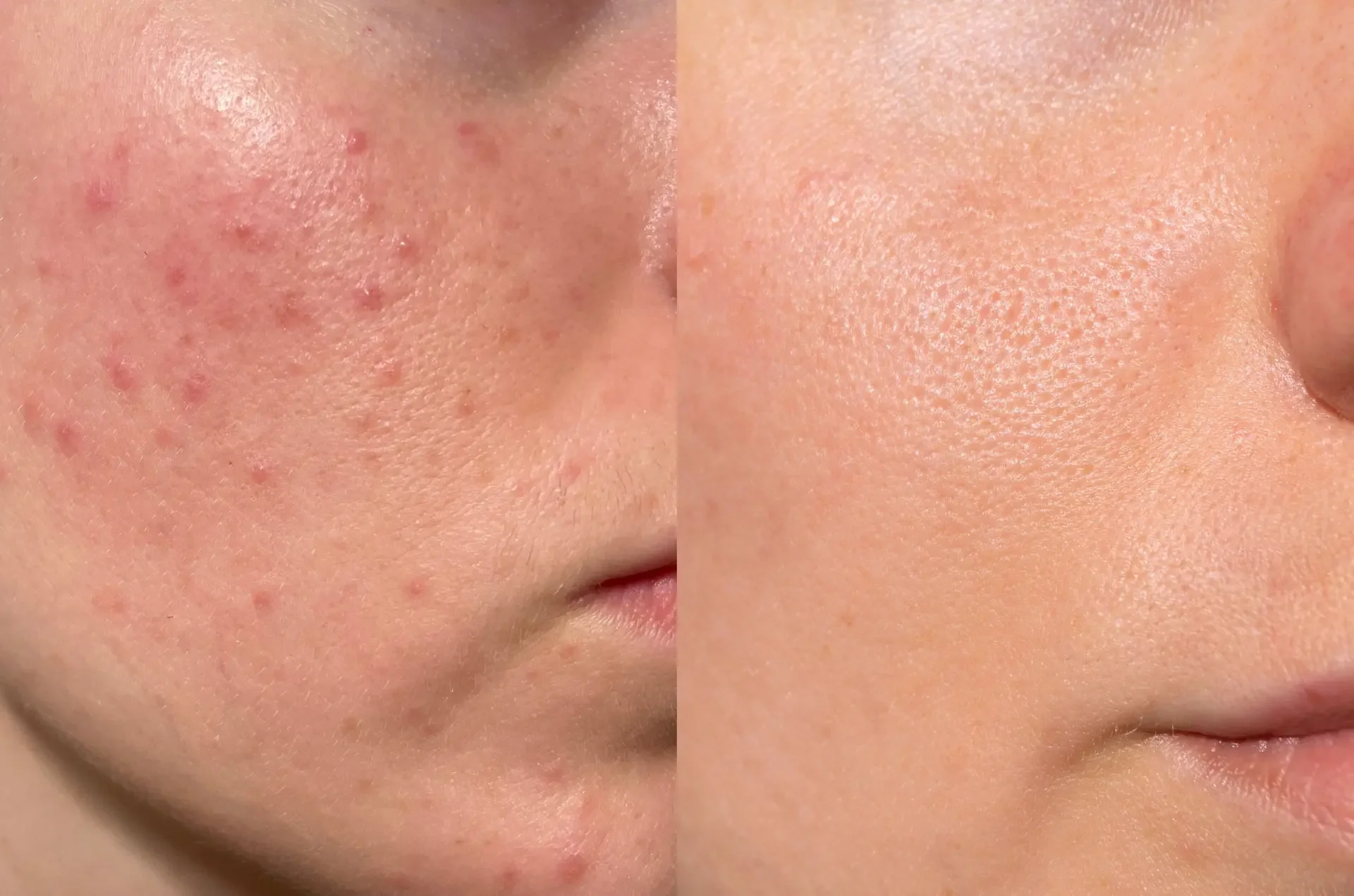
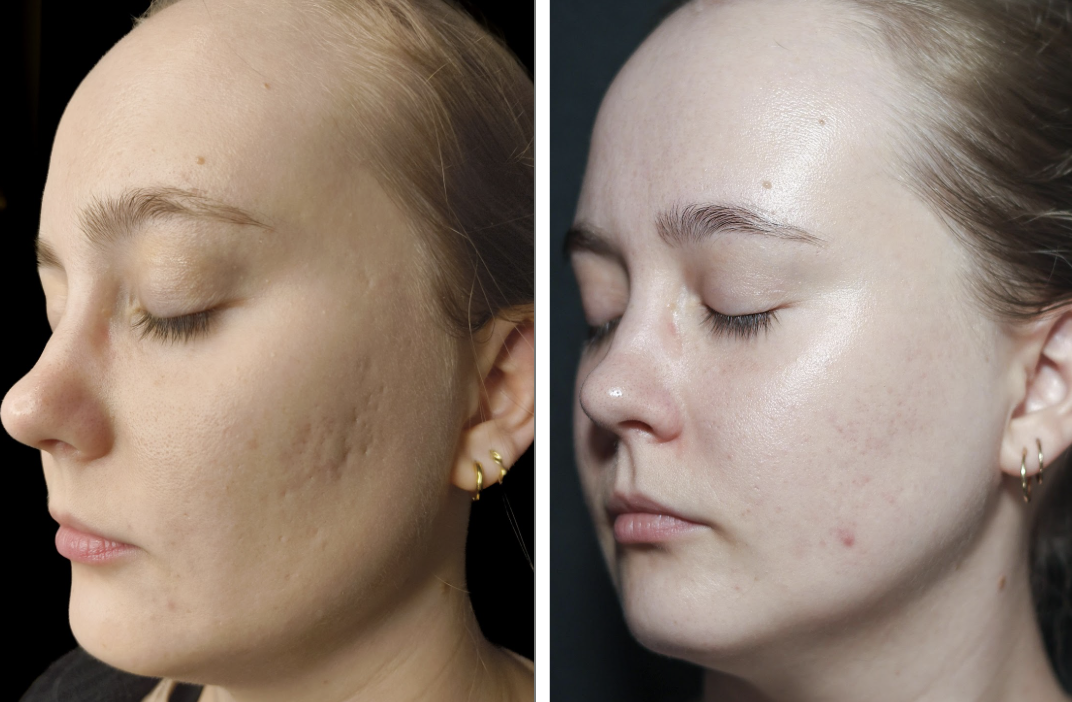
Before & Afters
Medical disclaimer
This page is general information only and not medical advice. All treatments and procedures carry risks and potential complications. Suitability, expected outcomes, recovery, and costs vary between individuals and are confirmed after clinical assessment. No specific result can be guaranteed.
Treatment Types
TCA
Best for: Ice Pick Scars
This is a precision chemical peel technique used to treat individual scars by applying a high-concentration TCA solution directly into each scar. The treatment stimulates deep collagen production, helping the scar gradually fill in and smooth out over time.
Your specialist will apply the TCA using an ultra-fine brush to precisely target the base of each scar. The treated areas will initially turn white for around 24 hours, then begin the healing process. Within 24–48 hours, tiny erosions may form, followed by redness that typically resolves over 7–10 days.
Who it’s for: Suitable for patients with deep icepick scars who prefer a precise, low-downtime treatment targeting individual scars.
Treatment plan: 3-6 sessions
Downtime: 5–7 days
Recommended skin types: All skin types
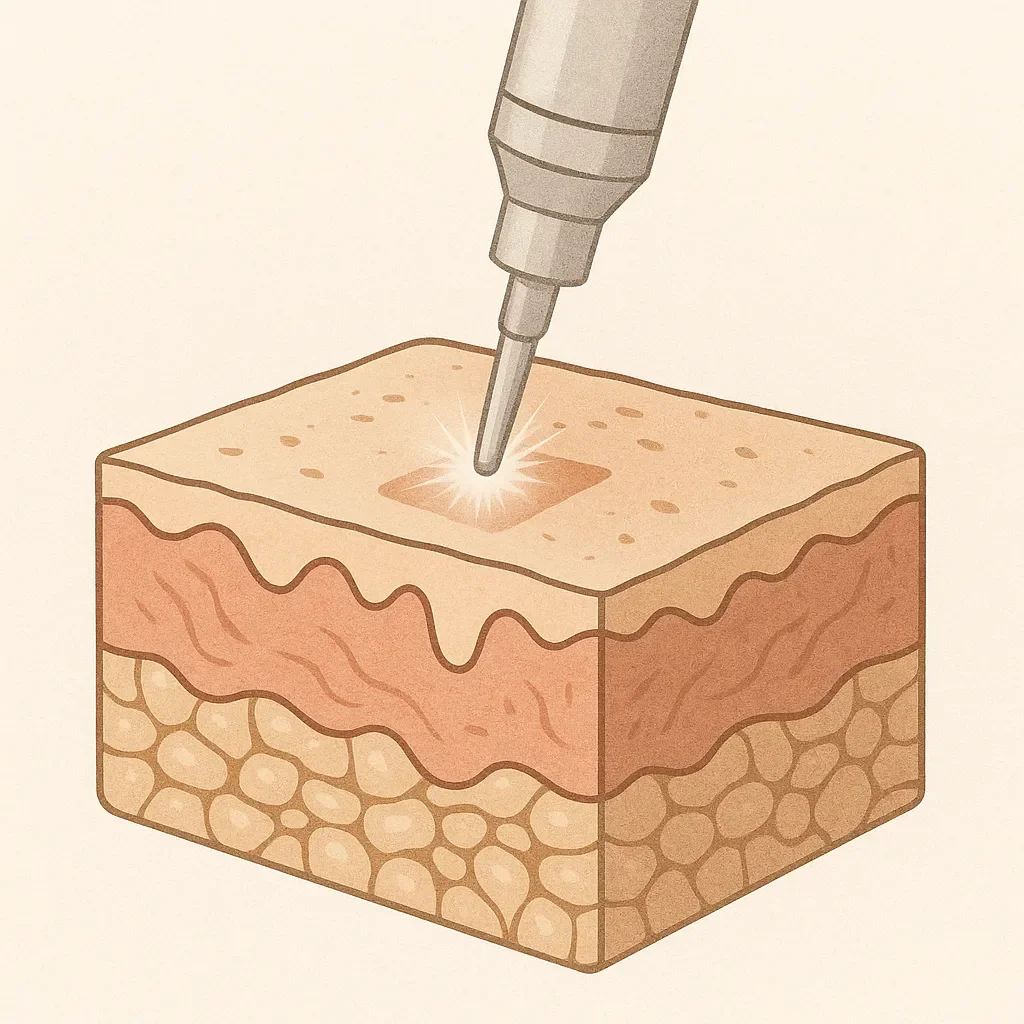
CO2 resurfacing
Best for: Ice Pick, Boxcar, and Rolling Scars
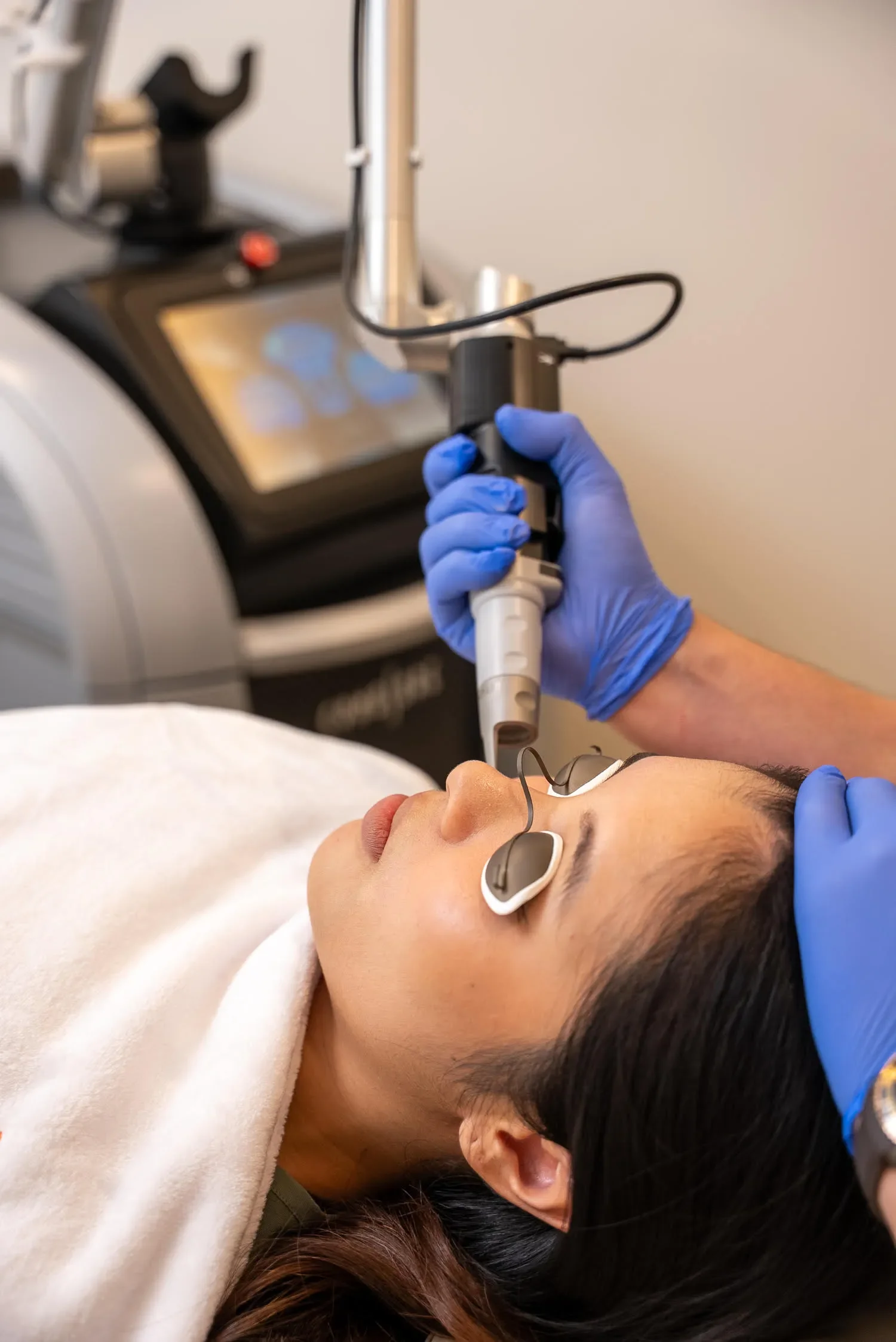
Considered the gold standard in acne scar revision, this powerful resurfacing laser removes damaged and scarred skin layers while stimulating new collagen production. It is especially effective for deep ice pick scars, rolling scars, and textural irregularities, helping to create a smoother, more even skin surface.
The procedure typically takes 30–60 minutes and is performed under light sedation with facial nerve blocks. Downtime usually ranges from 7 to 14 days.
Who it’s for: This treatment is ideal for patients with significant scarring who are seeking the most intensive approach to scar reduction and are willing to invest the downtime for optimal results.
Treatment plan: 1–2 sessions
Downtime: 7–14 days
Recommended skin types: Light to medium skin tones
Subcision
Best for: Boxcar, Rolling, and Deep Ice Pick Scars
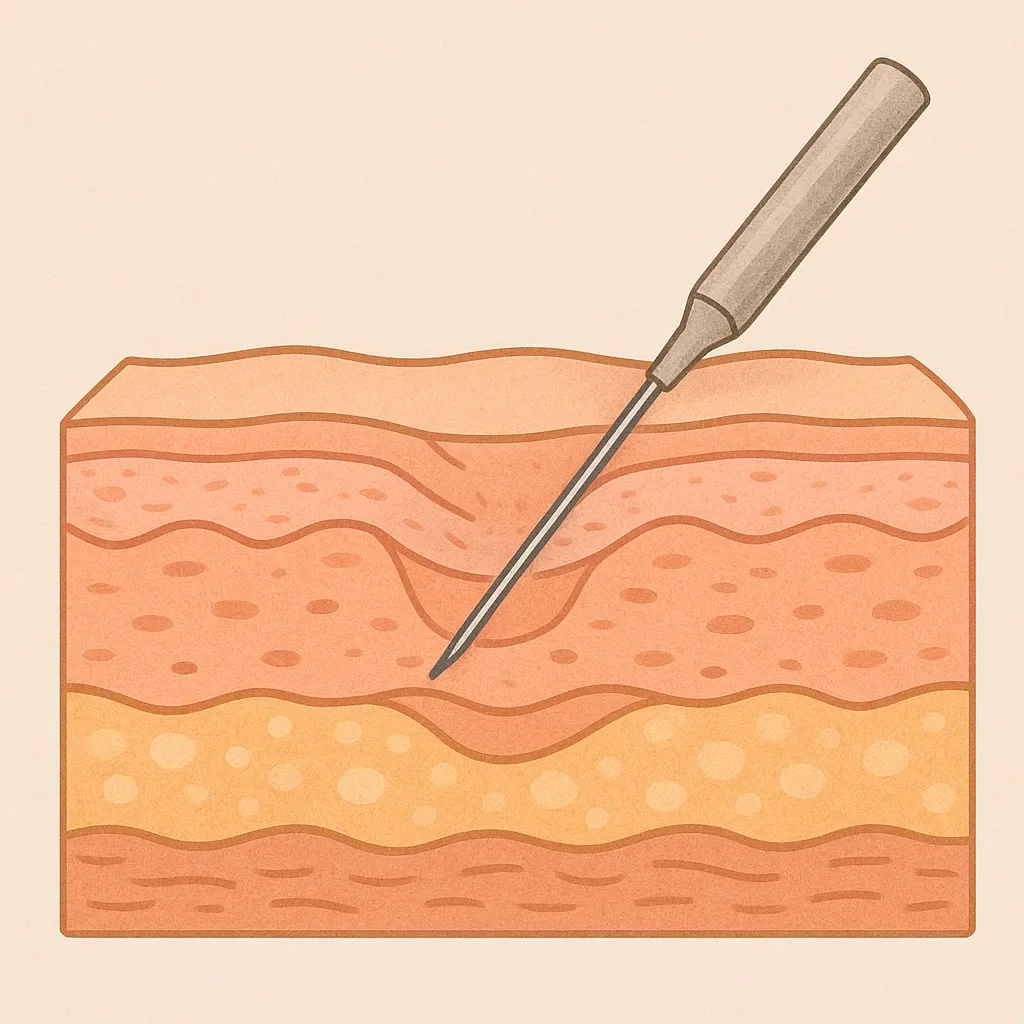
A minor surgical procedure that uses a fine needle to break the fibrous bands pulling the skin downward. By releasing these tethers, the indentation lifts, allowing the skin to smooth out more evenly over time.
Your specialist will perform this treatment under local anaesthetic. You may feel some tugging or pressure during the procedure as the scars are released. The treatment typically takes around 10–15 minutes.
Subcision is often combined with other treatments — such as dermal fillers or CO₂ laser resurfacing — to enhance results.
Who it’s for: Ideal for patients seeking noticeable improvement in skin texture with minimal downtime, especially those with tethered or indented scars.
Treatment plan: 1–2 sessions
Downtime: 2–3 days of bruising and swelling
Recommended skin types: All skin types
Surgical revision
Best for: Deep boxcar scars, tethered rolling scars, hypertrophic or wide scars
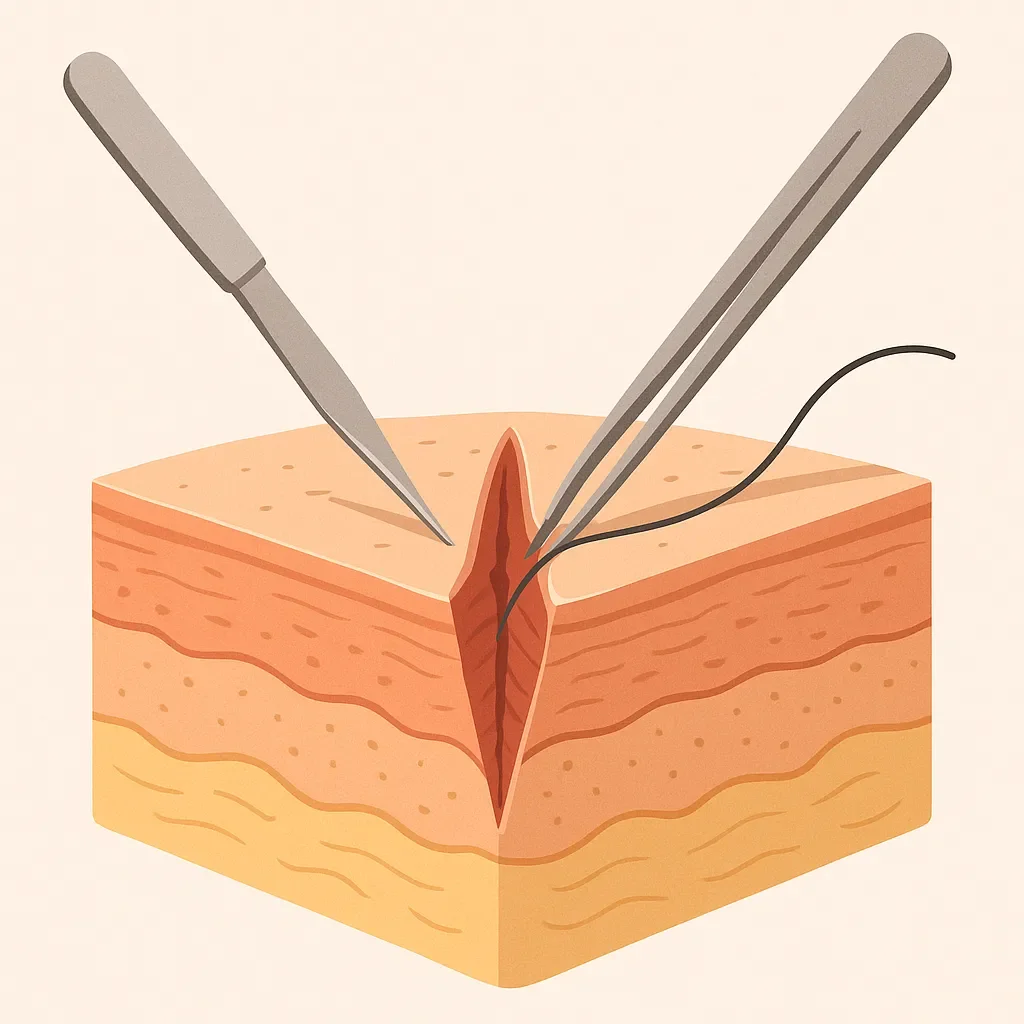
A precise surgical technique used to treat individual deep or broad scars. Methods such as punch excision or elliptical excision are used to remove or release dense scar tissue. These approaches help flatten raised scars, release tethered areas, and smooth the overall skin texture. Surgical revision is often paired with laser resurfacing to enhance final results.
Treatment is performed in-clinic under local anaesthetic. Your dermatologist will use meticulous techniques to minimise scarring and optimise cosmetic outcomes.
Who it’s for: Ideal for patients with deep or wide scars that may not fully respond to laser or chemical treatments alone.
Treatment plan: 1 session (often combined with adjunctive resurfacing)
Downtime: 7–14 days (depending on closure type and location)
Recommended skin types: All skin types
Vascular laser
Best for: Red post-acne marks (Post-Inflammatory Erythema)
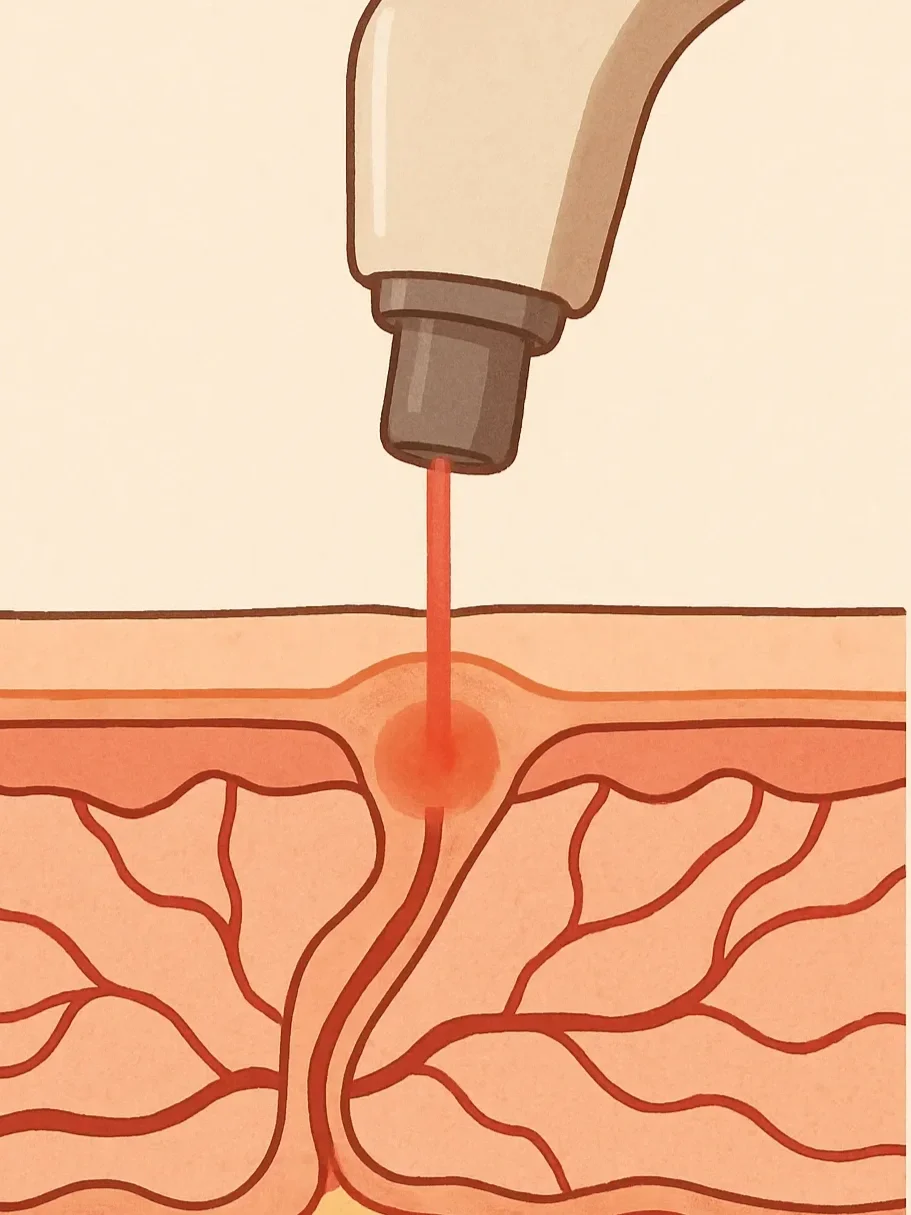
A focused vascular laser treatment that targets persistent redness left behind after acne. The DermaV laser works by shrinking the microscopic blood vessels responsible for red marks, helping to calm inflammation and restore a more even skin tone—without damaging surrounding tissue.
Each session takes around 15 minutes. You may experience mild redness and swelling for 1–2 days as your skin begins to settle and improve.
Who it’s for: Ideal for patients with early-stage acne scarring and visible redness looking to achieve a clearer, more even complexion.
Treatment plan: 3–6 sessions
Downtime: 24–48 hours of mild swelling or redness
Recommended skin types: All skin types
Pico laser
Best for: Brown pigmentation (Post-Inflammatory Hyperpigmentation)
A gentle yet powerful laser that targets excess melanin in the skin without causing heat damage. The PicoSure Pro laser is safe for darker skin tones and effectively fades stubborn pigmentation left behind after acne, helping to restore an even, balanced complexion.
Treatments take around 15–20 minutes and are often performed with topical numbing cream applied one hour prior. You may notice mild redness for 1–2 days, with gradual brightening over the following week.
Who its for: Perfect for patients wanting to safely treat pigmentation and achieve clearer, more luminous skin.
Treatment plan: 3–6 sessions
Downtime: 24–48 hours of mild redness or flaking
Recommended skin types: All skin types, including darker tones
Meet Dr Mitchel Robinson
Dr Mitchell Robinson is a Brisbane-based Specialist Dermatologist (FACD) and dual medical specialist with advanced experience in acne scarring, laser rejuvenation/resurfacing, and pigmentation and melasma. He is known for his tailored approach to complex laser work and his commitment to evidence-based care.
As a clinical presenter and Signature Partner for Cynosure–Lutronic, one of Korea’s leading laser companies and through training across South Korea, Singapore, Vietnam, and Thailand, he lectures on advanced laser protocols, treatment planning, and safe laser practice. He brings this depth of experience to DERM Skin Specialists, guiding care with current laser methods and years of focused learning.
Qualifications & Professional Background
Specialist Dermatologist (FACD)
Dual medical specialist
Master of Medicine
Fellowship experience in cutaneous oncology, complex scarring, and laser surgery
Tertiary-hospital laser-accredited clinician
Educator of dermatology trainees in laser and procedural dermatology
Experienced in surgical, laser, and cosmetic dermatology
Not seeing improvement with over-the-counter products?
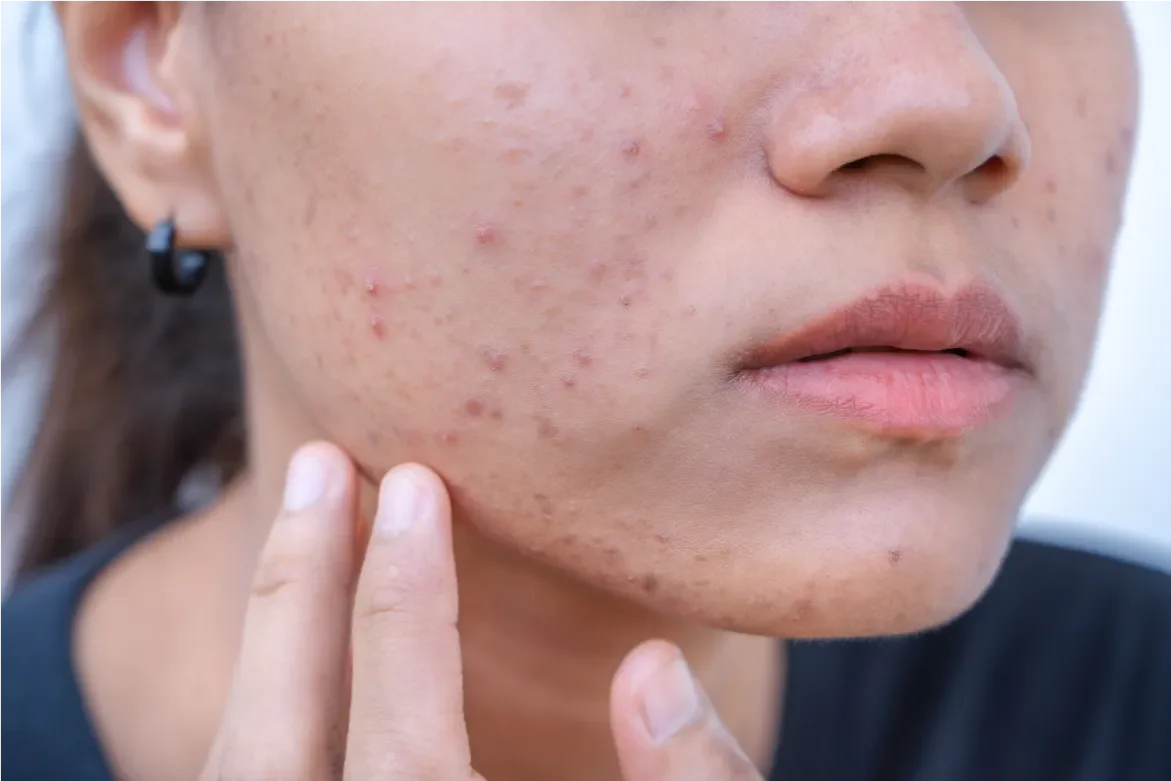
Acne scarring can affect anyone who has experienced severe or persistent acne, especially those with deeper scarring. Whether your scars are the result of cystic acne, post-inflammatory hyperpigmentation, or other types of acne, effective treatment is available.
Typically, patients with moderate to severe acne scarring will benefit most from professional treatments, especially if over-the-counter products haven’t provided noticeable improvement. If you're looking to reduce the appearance of scars and restore smoother, more even skin, this treatment can be highly effective for you.
What to expect during your acne scarring treatment
Every medical procedure carries risks, and your practitioner will discuss these with you in detail before treatment. Possible side effects vary depending on the technique used, but may include temporary discomfort, swelling, redness or bruising in the treated area. Some treatments can cause short-term pigment changes or sensitivity as the skin heals.
More uncommon risks include infection or allergic reactions. Certain treatments may not be suitable during pregnancy, while breastfeeding, or for people with underlying neuromuscular or systemic conditions.
During your consultation, we review your medical history, assess your skin and outline the potential risks, expected recovery time and aftercare required to support a safe treatment process.
Our Most Commonly Asked Questions
Medical disclaimer
This page is general information only. Acne scar treatment is individualised and decided after clinical assessment.
-
Most patients begin to see noticeable improvement after just one treatment, though full results may take several weeks as your skin continues to heal. Multiple sessions are typically required for the best results.
-
The number of treatments varies depending on the severity of your scarring. On average, 3 to 6 sessions are recommended, spaced a few weeks apart, to achieve optimal results.
-
Downtime is minimal. You may experience some redness or mild swelling post-treatment, which typically subsides within a few hours to a couple of days. Most patients can return to their normal activities immediately.
-
Yes. Our treatments are safe for most skin types, and we tailor the approach based on your unique skin needs. During your consultation, we’ll assess your skin type and recommend the most suitable treatment for you.
-
The cost of acne scarring treatment depends on several factors, including the severity of your scarring and the number of sessions required. On average, each session can range from $300 to $600. A full treatment plan may involve multiple sessions, typically 3 to 6, to achieve the best results.

Not sure where to start?
The best starting point is a dermatology consultation. That’s where we confirm the acne pattern, scarring risk, and the most appropriate pathway.
If your main goal is treatment planning and understanding device, a complimentary nurse-led consult can help you get oriented, and we'll tell you if a dermatologist assessment is necessary to move forward and explain the next steps.